 Save
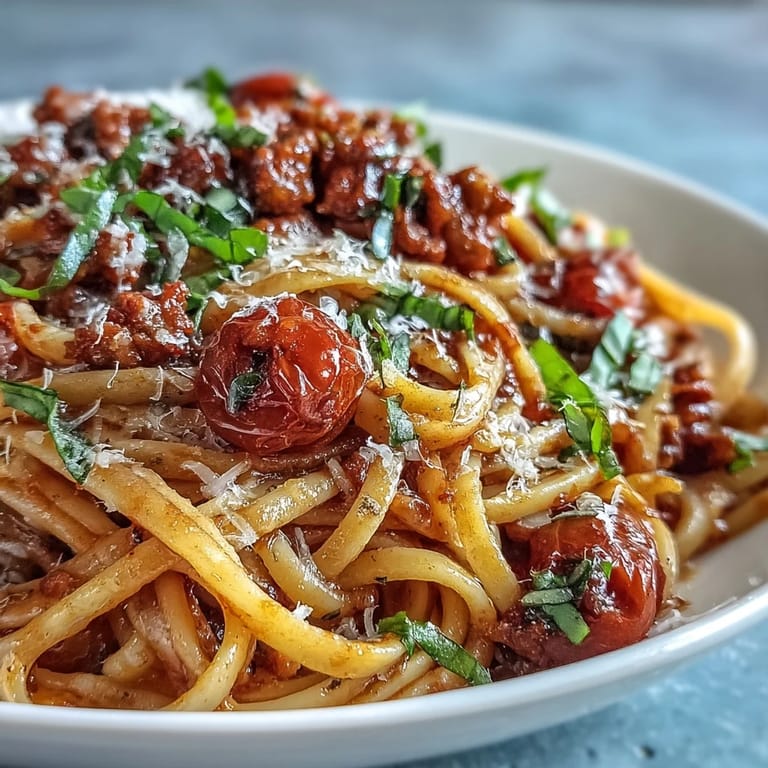
Save The first time I drunkenly stumbled into this recipe, it was midnight and I was craving something wild. Italian wine met Asian soy sauce on my stovetop, and my kitchen smelled like a fusion restaurant had exploded in the best way. That first bite made me sit right down on my kitchen floor and eat straight from the pan. Sometimes the best recipes happen when you throw caution to the wind and let incompatible ingredients work out their differences.
Last winter my neighbor Tom came over while this was simmering, and I've never seen someone's eyes light up so fast at a smell. We ended up eating it standing at the counter while the snow fell outside, talking about how food traditions are just suggestions anyway. Now he texts me whenever he spots Chianti on sale, like were in on some brilliant culinary conspiracy together.
Ingredients
- 12 ounces spaghetti or linguine: Regular works beautifully but gluten free holds up surprisingly well here
- 2 tablespoons extra virgin olive oil: The foundation that carries all those bold flavors
- 1 small yellow onion, thinly sliced: They melt into the sauce and add natural sweetness
- 4 garlic cloves, minced: Dont be shy with the garlic it needs to stand up to the wine
- 1 teaspoon red pepper flakes: Adjust up or down but keep some heat for balance
- 8 ounces Italian sausage or shrimp: Sausage adds richness while shrimp keeps it lighter and faster
- 1 pint cherry tomatoes, halved: They burst and create little pockets of sweet juice
- 2 tablespoons tomato paste: Concentrated tomato depth that anchors the wine
- ½ cup dry red wine: Chianti or Sangiovese but whatever you're drinking works too
- 2 tablespoons soy sauce: The secret ingredient nobody can quite put their finger on
- 1 tablespoon Worcestershire sauce: Adds that mysterious umami richness
- 1 teaspoon balsamic vinegar: Brightens everything at the end
- ½ cup fresh basil, 2 tablespoons parsley: Fresh herbs cut through the richness
- ¼ cup grated Parmesan: Salty finish that ties the fusion together
Tired of Takeout? 🥡
Get 10 meals you can make faster than delivery arrives. Seriously.
One email. No spam. Unsubscribe anytime.
Instructions
- Get your pasta water going first:
- That salted boiling water needs to be ready before you start anything else so the timing works out
- Cook the pasta just shy of al dente:
- It'll finish in the sauce later so pull it a minute early and always save that cup of starchy cooking water
- Heat your largest skillet:
- You want room for everything to come together at the end without overflowing
- Sauté the onions first:
- Let them soften and get a little color before adding the garlic so it doesn't burn
- Add garlic and red pepper flakes:
- Thirty seconds is all it takes for that fragrance to hit the air
- Brown your protein:
- Break sausage into crumbles or cook shrimp until pink and remove from pan if needed
- Add tomatoes and tomato paste:
- Let the tomatoes burst and the paste cook a bit to deepen its flavor
- Deglaze with the wine:
- Scrape up every brown bit from the bottom because that's where the flavor lives
- Add soy sauce, Worcestershire, and balsamic:
- This is where it transforms from Italian tomato sauce to something entirely new
- Toss in the pasta:
- Add it gradually with splashes of pasta water until the sauce clings to each strand
- Finish with herbs and cheese:
- Turn off the heat first so the basil stays bright and the cheese melts gently
 Save
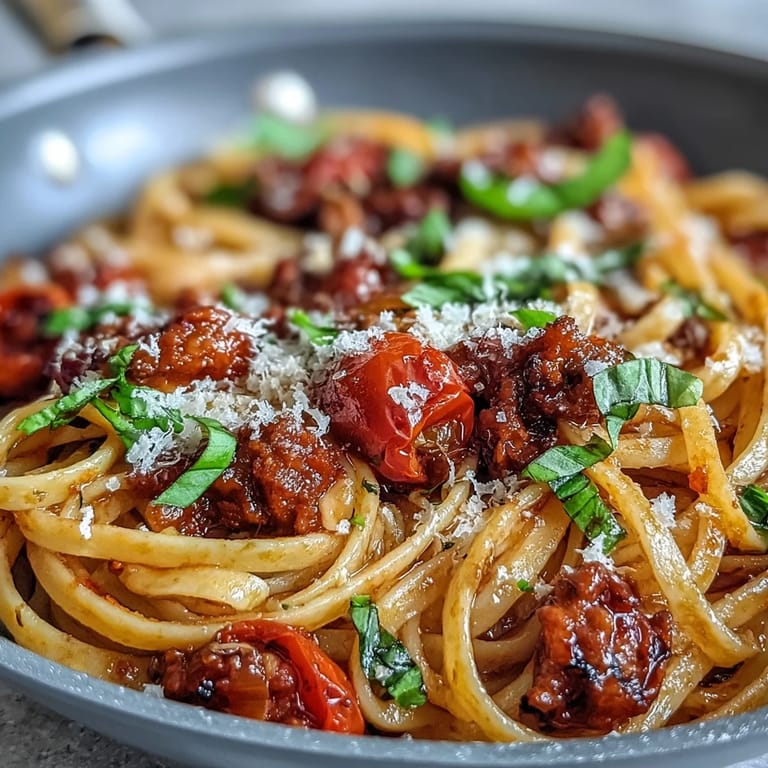
Save My sister called me halfway through her first batch, breathless and slightly panicked, asking if the soy sauce was actually correct or if she'd misread something. She served it to her husband without mentioning the unusual ingredients and watched him take three silent bites before asking what kind of tomato sauce this was. The look on her face when she told him there was soy sauce in it was absolute kitchen victory.
Wine Selection Matters
I've made this with everything from expensive Chianti to the bottle I bought because the label looked nice. Surprisingly the mid range wines work best—expensive bottles get lost in all the bold flavors while really cheap wine can taste harsh when reduced. Use something you'd happily drink with dinner and you'll be fine.
Protein Choices
Sausage gives you that hearty comfort food vibe while shrimp turns it into something lighter and almost elegant. I've even done crumbled turkey sausage when I was trying to be healthier and nobody complained. The key is cooking it properly before it goes into the sauce so you don't end up with weird textures.
Make It Your Own
Once you understand how the flavors work together you can start playing around. Mushrooms work beautifully in place of meat and bell peppers add sweetness. I've added spinach when I needed to use up a bag from the fridge. The only rule is keeping that bold fusion spirit alive.
- Double the garlic if you're feeling bold
- Add a splash of cream at the end for richness
- Try linguine for extra sauce clinging power
 Save
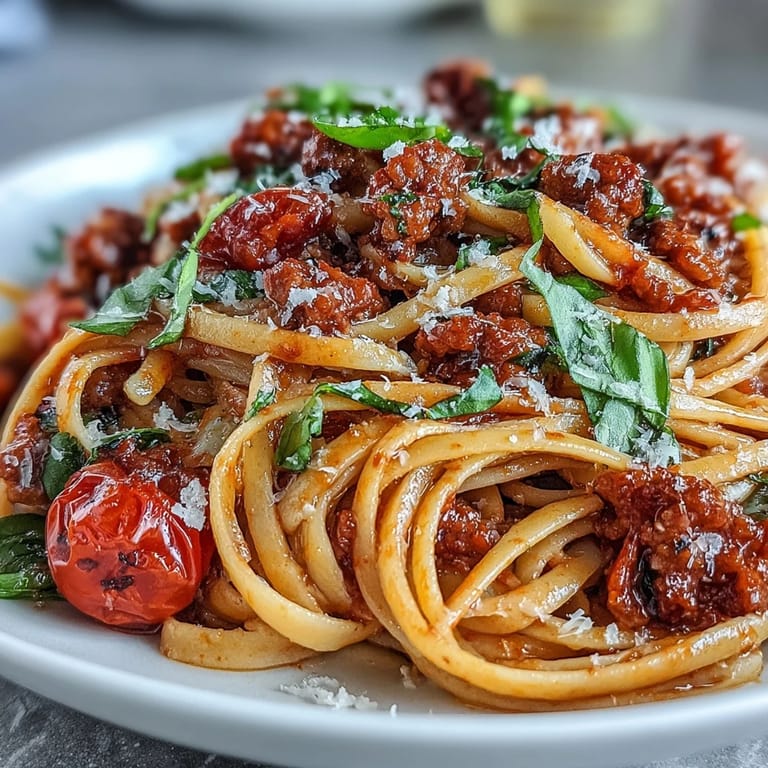
Save There's something deeply satisfying about recipes that break all the rules and still end up perfect. This dish has taught me that the best flavors often come from the most unexpected combinations.
Recipe FAQ
- → What kind of wine is best for the sauce?
A dry red wine is recommended for this dish, with Chianti or Sangiovese being ideal choices. These wines contribute a robust depth of flavor to the tomato sauce, creating that signature 'drunken' effect without overpowering the other ingredients.
- → Can this dish be made vegetarian or gluten-free?
Absolutely! For a vegetarian version, simply omit the sausage or shrimp and incorporate sautéed mushrooms or marinated tofu instead. To make it gluten-free, opt for a certified gluten-free spaghetti or linguine, and ensure your Worcestershire sauce is gluten-free as well.
- → How can I adjust the spice level of the noodles?
The spice level is quite customizable. If you prefer a milder taste, reduce the amount of red pepper flakes or omit them entirely. For those who enjoy more heat, you can increase the red pepper flakes or add some freshly sliced chilies during cooking.
- → What pasta type works best for this preparation?
Spaghetti or linguine are the traditional choices for this dish as they hold the rich sauce beautifully. However, you can experiment with other long pasta shapes. Whether you prefer regular, whole wheat, or gluten-free, ensure it's cooked al dente for the best texture.
- → Can I prepare this meal in advance, and how should I store leftovers?
While best enjoyed fresh, leftovers can be stored in an airtight container in the refrigerator for up to 3 days. When reheating, gently warm the pasta on the stovetop or in the microwave, adding a splash of water or extra wine to revive the sauce and prevent dryness.
- → What if I don't have fresh basil for garnish?
Fresh basil adds a wonderful aromatic finish, but if it's unavailable, fresh parsley is a good substitute. You could also try a pinch of dried Italian herbs stirred into the sauce during cooking, although fresh herbs always provide the most vibrant flavor.