 Save
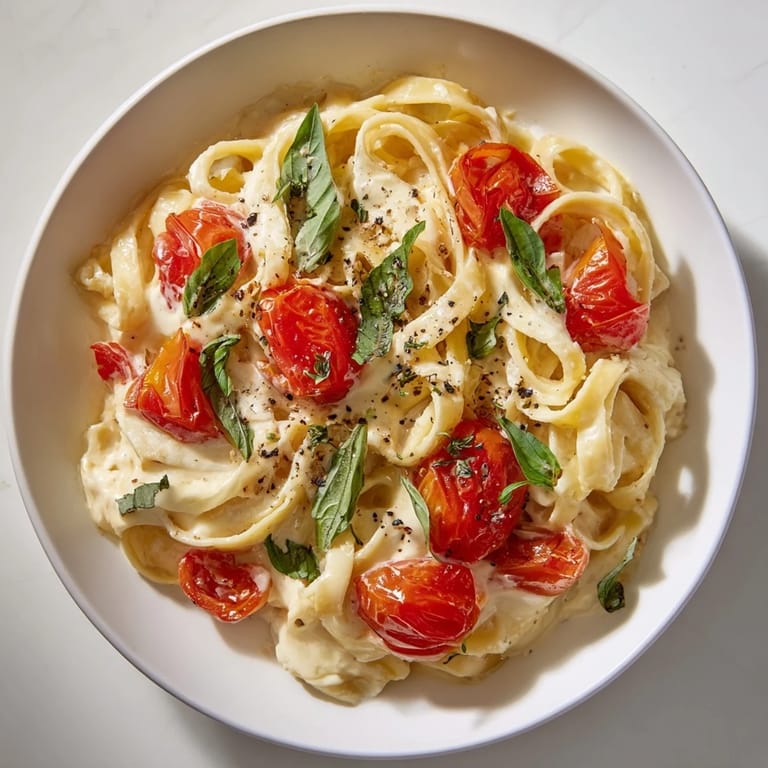
Save The first time I made baked brie pasta, I wasn't trying to be fancy. I had a wheel of brie sitting in my fridge, some cherry tomatoes that needed rescuing, and a craving for something creamy that didn't involve a sauce pot. I threw it all in a baking dish on a whim, and twenty-five minutes later, I had something so luxurious it felt like I'd discovered it rather than invented it. My kitchen smelled incredible, and honestly, I haven't made pasta the traditional way since.
I remember making this for a friend who claimed she didn't like baked cheese, and watching her face when she took that first bite was worth every moment of prep. She went quiet for a second, then just shook her head and twirled more pasta onto her fork. That's when I knew this recipe was special.
Ingredients
- Fettuccine, 400g (14 oz): The width and shape catch the creamy brie sauce beautifully, but any ribbon pasta works if that's what you have.
- Brie cheese wheel, 250g (9 oz) with rind on, cut into large chunks: Keep the rind on, it holds the cheese together and adds a subtle earthiness as it melts into the sauce.
- Cherry tomatoes, 500g (1 lb), halved: Look for ones that feel heavy for their size and have thin, thin skin, they'll burst faster and release their juices into the brie.
- Garlic, 3 cloves, thinly sliced: Thin slices cook faster and distribute their flavor evenly without burning on the edges.
- Extra-virgin olive oil, 2 tbsp: Don't skip the quality here, this is one of your main flavors.
- Fresh thyme leaves, 1 tsp (or ½ tsp dried): Thyme brings an herbal earthiness that stops the dish from tasting one-dimensional.
- Crushed red pepper flakes, ½ tsp (optional): Just enough to whisper heat without announcing itself.
- Kosher salt, ½ tsp: Start here and taste as you go, the brie adds saltiness too.
- Freshly ground black pepper, ¼ tsp: Always grind it fresh, pre-ground tastes tired by comparison.
- Fresh basil leaves, 10, torn: Tear by hand instead of chopping, it bruises less and looks more intentional on the plate.
Tired of Takeout? 🥡
Get 10 meals you can make faster than delivery arrives. Seriously.
One email. No spam. Unsubscribe anytime.
Instructions
- Heat your oven and prep your canvas:
- Preheat to 200°C (400°F) while you gather everything. Use a large ovenproof baking dish because the tomatoes need room to breathe and burst, not steam.
- Build the flavor base:
- Toss the cherry tomatoes, sliced garlic, olive oil, thyme, red pepper flakes, salt, and pepper in your baking dish until everything glistens. You're creating the foundation that the brie will melt into.
- Nestle the brie:
- Place the brie chunks right in the center, partially surrounded by the tomato mixture. They'll stay slightly above the juices while the edges melt.
- Let the oven do the work:
- Bake uncovered for 25 minutes until the tomatoes look soft and their skins are starting to split, and the brie is practically liquid. You'll see it bubble slightly at the edges when it's ready.
- Cook your pasta in parallel:
- While the oven is working, bring a large pot of salted water to a rolling boil and add your fettuccine. Cook until just al dente, about 9 to 11 minutes depending on your brand, then reserve ½ cup of pasta water before draining.
- Transform into sauce:
- Remove the baking dish from the oven and stir the melted brie and soft tomatoes together until a creamy, pourable sauce forms. Some tomato pieces will dissolve, others will stay chunky, both are perfect.
- The final toss:
- Add the hot drained fettuccine directly to the baking dish and toss gently but thoroughly, adding reserved pasta water a splash at a time until the sauce coats every strand without pooling at the bottom.
- Garnish and serve:
- Scatter torn basil over the top, finish with a generous grind of black pepper, and serve immediately while the sauce is still warm and silky.
 Save
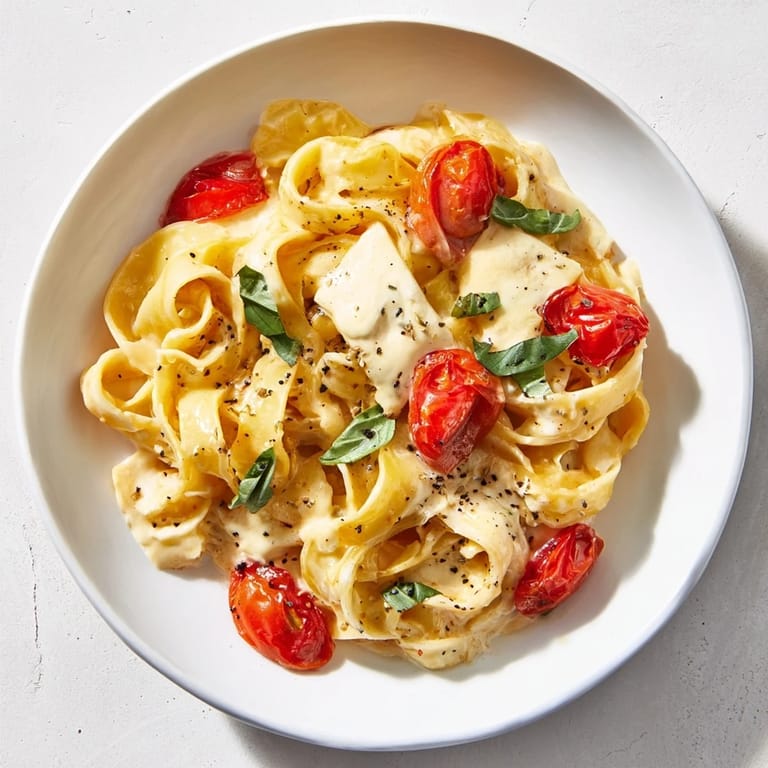
Save There's a specific moment when you pull this out of the oven and realize you've made something that tastes like it took hours, when it took barely thirty minutes. That feeling of small kitchen magic never gets old.
Why the Oven Method Works
Baking the brie and tomatoes together mellows the garlic and lets the tomatoes' natural sweetness shine through without any harshness. The gentle, even heat means the cheese melts smoothly instead of breaking or becoming grainy the way it might over direct heat on the stove. Your kitchen also fills with this incredible aroma as the brie gets gooey, which is basically a bonus fourth course.
Customizing Without Losing the Soul
I've added baby spinach or arugula a handful of times, stirred it in right before tossing with pasta so it wilts slightly in the residual heat. The peppery greens cut through the richness and add texture. You can also experiment with camembert if brie isn't available, or even a wheel of triple-cream brie if you're feeling indulgent.
Pairing and Serving Thoughts
This pasta is rich and luxurious, so it stands alone beautifully as a main course, but it also plays nicely with others. A crisp Sauvignon Blanc or Pinot Grigio cuts through the creaminess with their acidity, making each bite feel lighter than it actually is. If you're serving guests, make this in the baking dish and let them serve themselves directly from it, it looks generous and lived-in.
- A simple green salad tossed with lemon vinaigrette on the side keeps things balanced.
- Crusty bread is essential for soaking up any extra sauce that pools at the bottom of the bowl.
- This keeps beautifully in the fridge and actually tastes good reheated gently in a low oven with a splash of milk stirred through.
 Save
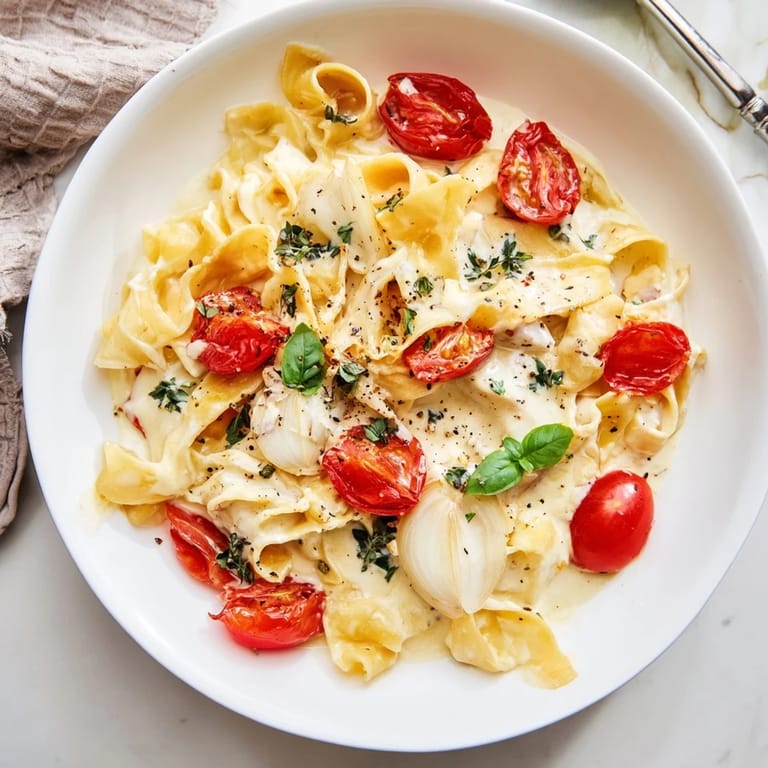
Save This recipe became a favorite because it proves that sometimes the best meals are the ones you throw together without overthinking. Every time I make it, I remember why I stopped following complicated recipes and started trusting my instincts in the kitchen.
Recipe FAQ
- → Can I use a different cheese instead of brie?
Yes, camembert works well as a substitute, offering a similarly creamy texture and mild flavor when melted.
- → What type of pasta pairs best with this sauce?
Fettuccine is recommended as its wide strands hold the creamy sauce nicely, but other long pasta like tagliatelle can also be used.
- → How can I adjust the spice level in this dish?
Reduce or omit the crushed red pepper flakes for a milder flavor, or add extra for a spicier kick.
- → Is it necessary to reserve pasta water for the sauce?
Yes, adding reserved pasta water helps achieve a smooth, silky sauce consistency and helps the sauce cling to the pasta.
- → Can I add greens to this pasta?
Absolutely, tossing in baby spinach or arugula just before serving adds freshness and a pop of color.