 Save
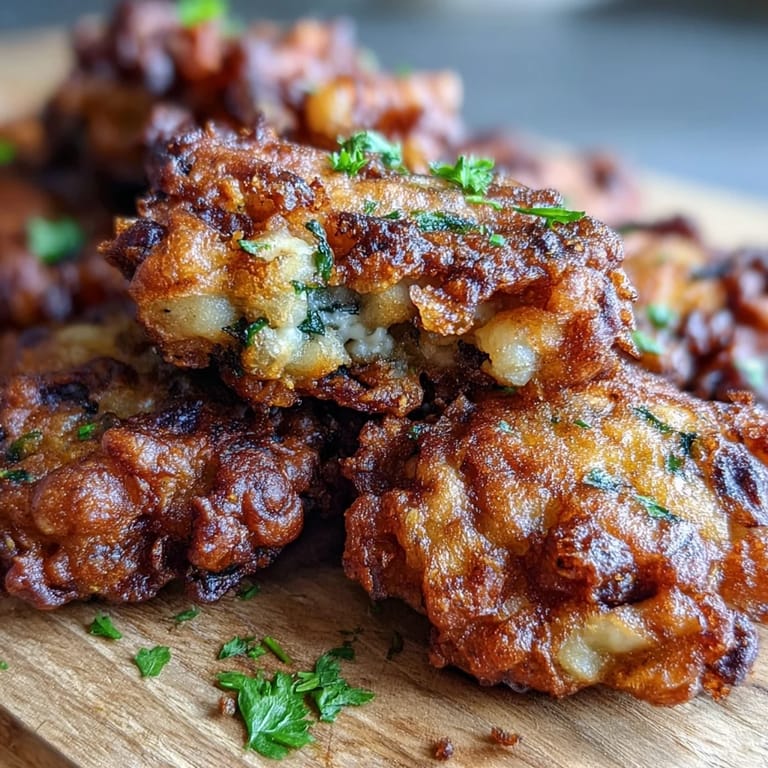
Save My neighbor handed me a warm fritter through her kitchen window one spring morning, and I bit into something that tasted like golden comfort—crispy on the outside, creamy black-eyed pea softness within. She wouldn't share her full recipe, just laughed and said the secret was not overthinking it. Years later, I finally cracked the code myself, and these fritters became my answer to nearly every "bring something to share" text. They're the kind of appetizer that disappears in minutes, leaving people asking for the recipe with their mouths still full.
I made these for a potluck during the worst week of someone's year, and they ate five fritters in a row while telling me about it. Food doesn't fix heartbreak, but there's something about handing someone something warm and crispy that says you're thinking of them without needing words.
Ingredients
- Black-eyed peas (2 cups cooked, drained): They're mealy enough to mash into a batter but sturdy enough not to fall apart during frying—canned works just fine, and they save you the entire soaking step.
- Onion (1 small, finely chopped): The sweetness mellows as it fries and becomes almost caramelized inside the fritter, which is where most of the flavor actually lives.
- Garlic (2 cloves, minced): Don't be shy with this; it distributes evenly through the batter and adds a gentle sharpness that keeps these from tasting one-note.
- Fresh parsley or cilantro (2 tablespoons, chopped, optional): Cilantro if you love it, parsley if you're unsure, but either one brightens the whole fritter without overwhelming it.
- Eggs (2 large): These bind everything together and somehow make the inside fluffier than you'd expect from legumes alone.
- All-purpose flour (3/4 cup): Just enough to hold the batter together without making these taste like you're eating a flour brick.
- Salt (1 teaspoon): Trust this amount; black-eyed peas absorb seasoning differently than potatoes, so you need more than you think.
- Black pepper (1/2 teaspoon): Freshly ground makes a real difference here, not the pre-ground stuff that's been sitting in your cabinet for three years.
- Smoked paprika (1/2 teaspoon, optional): This transforms the whole thing into something deeper and more interesting, like you've been slow-cooking all afternoon.
- Cayenne pepper (1/4 teaspoon, optional): A whisper of heat that builds gently; leave it out if you're feeding people who think salt is spicy.
- Vegetable oil (for frying): Use something neutral that doesn't smoke too easily—vegetable or canola, not olive oil, which will make them taste weird and burn.
Tired of Takeout? 🥡
Get 10 meals you can make faster than delivery arrives. Seriously.
One email. No spam. Unsubscribe anytime.
Instructions
- Mash the foundation:
- Tip the drained black-eyed peas into a large bowl and press them with a fork or masher until they're mostly broken down but still a little chunky. You want texture here, not baby food—the fritters should have personality.
- Build the batter:
- Fold in the onion, garlic, herbs, eggs, flour, and all your seasonings, stirring until everything comes together into a thick, cohesive batter that holds its shape but isn't dry. If it seems too loose, add another tablespoon of flour.
- Heat your oil:
- Pour about half an inch of oil into a large skillet and set it over medium heat. Give it a few minutes to reach the right temperature—you'll know it's ready when a tiny drop of batter sizzles immediately on contact.
- Fry in batches:
- Using a spoon or small scoop, drop heaping tablespoons of batter into the hot oil, pressing each one down gently with the back of the spoon to flatten it slightly. Don't crowd the pan, or they'll steam instead of fry and end up dense.
- Golden and crispy:
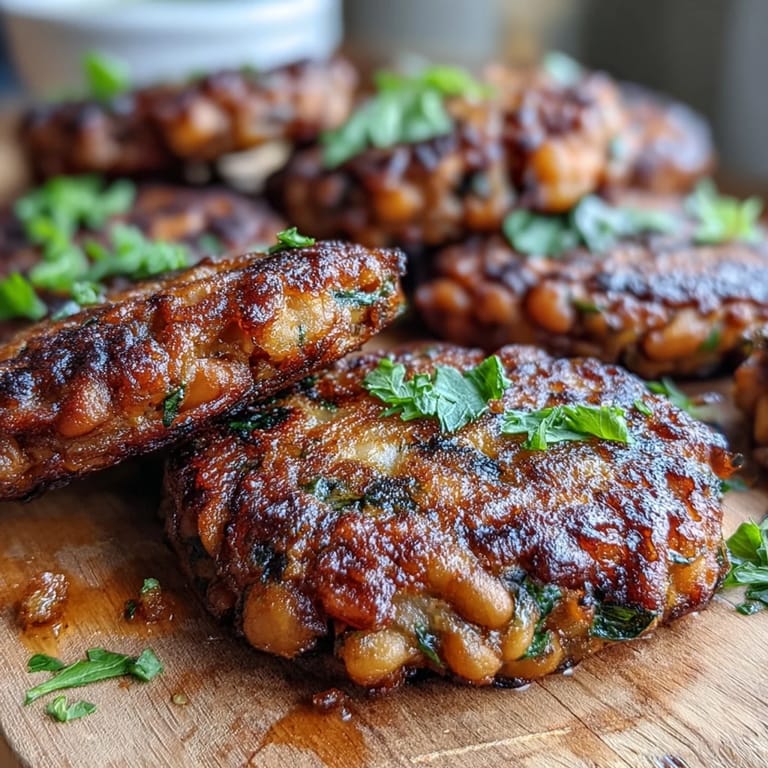
- Let them cook for about 2 to 3 minutes per side, until they're deep golden brown and the edges look crispy. They'll firm up as they cool, so don't pull them out when they still look a bit soft.
- Drain and serve:
- Transfer each batch to a paper towel-lined plate to shed the excess oil, then arrange them on a serving platter while they're still warm. Serve immediately with whatever sauce speaks to you.
 Save
Save A child once asked me why they were called fritters and not just crispy peas, and I realized nobody had ever explained it to her. They tasted so good she didn't care about the name, but that question stuck with me—food tastes better when someone's genuinely curious about it.
The Texture Secret
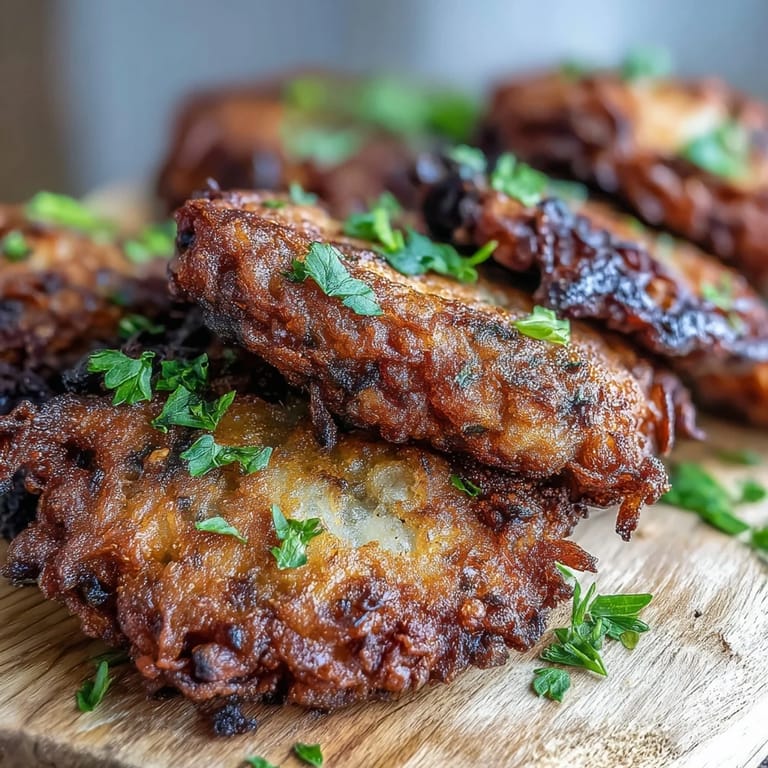
The magic isn't in any single ingredient but in knowing when to stop mashing. You want the batter to hold together but still feel slightly pebbly under your spoon, like coarse sand mixed with paste. This textural contrast is what makes people come back for another fritter instead of just eating one out of politeness. If you mash until it's perfectly smooth, they become dense and monotonous—all the interest disappears into uniformity.
Making It Your Own
The base recipe is forgiving enough that you can play with it without breaking anything. I've added diced jalapeños for heat, minced fresh ginger for brightness, and even a handful of corn kernels when I had them sitting around. The black-eyed peas are patient—they work with nearly any flavor direction you want to take them.
Serving and Storage Wisdom
These are best eaten warm and within a few hours of frying, but life isn't always perfect. You can make the batter up to a day ahead and store it in the refrigerator, then fry everything fresh right before people arrive. If you somehow have leftovers, they reheat okay in a 350-degree oven for about five minutes, though they'll never be quite as crispy as the first moment.
- Pair them with a cool yogurt dip mixed with lemon and fresh herbs, or hot sauce if you want to lean into spice.
- Mango chutney is an underrated choice that bridges sweet and savory in a way that surprises people in the best way.
- Have your dipping sauce ready before you start frying so you're not frantically mixing while oil sizzles.
 Save
Save These fritters remind me that the simplest recipes often become the ones people remember longest. There's something honest about food made from pantry staples that somehow tastes like you spent hours thinking about it.
Recipe FAQ
- → Can I use canned black-eyed peas?
Yes, canned black-eyed peas work well. Just drain and rinse them thoroughly before mashing. You may need to adjust the flour slightly if the canned peas are wetter than cooked dried peas.
- → What temperature should the oil be for frying?
Heat the oil to medium-high heat, around 350-375°F (175-190°C). You can test by dropping a small piece of batter—if it sizzles immediately and rises to the surface, the oil is ready.
- → Can I bake these instead of frying?
Yes, you can bake them at 400°F (200°C) for 15-20 minutes, flipping halfway through. Brush with oil before baking and they'll still be crispy, though with a different texture than fried.
- → How long do these fritters keep?
They're best served fresh and warm. Leftovers can be stored in the refrigerator for up to 2 days. Reheat in a 350°F oven for 5-10 minutes to restore crispiness.
- → What dipping sauces work best?
These fritters pair wonderfully with yogurt dip seasoned with herbs and garlic, spicy hot sauce for heat, or sweet mango chutney for contrast. A simple remoulade or aioli also works beautifully.
- → Can I make the batter ahead of time?
The batter can be prepared up to 4 hours ahead and refrigerated. It may thicken slightly, so add a tablespoon of water if needed before frying to maintain the right consistency.