 Save
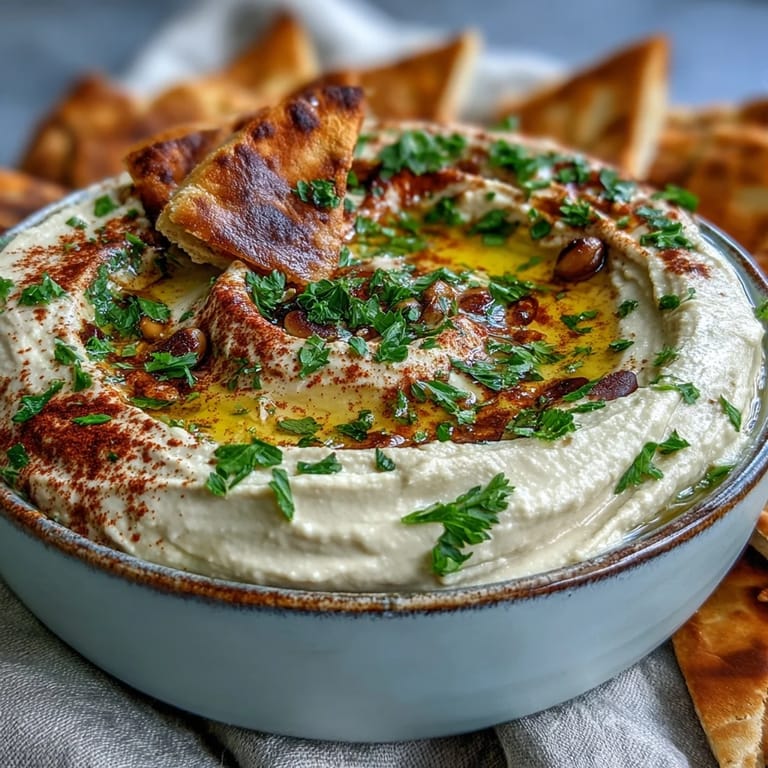
Save My neighbor showed up with a jar of black-eyed pea hummus one afternoon, and I was skeptical—I'd never heard of such a thing. But one taste and I was hooked, scrambling to figure out how she made it. Turns out, it's brilliantly simple: tahini, a handful of humble black-eyed peas, bright lemon, and nothing else fancy. Now I make it constantly, and it's become my go-to when I need something that feels both comforting and elegant at the same time.
I served this at a potluck last spring, nervous that someone had already brought hummus. What I didn't expect was how many people asked for the recipe—and when I told them it was made with black-eyed peas, they looked genuinely surprised. That's when it hit me that this humble dip had become something special in my kitchen, a quiet rebellion against the chickpea monoculture.
Ingredients
- Black-eyed peas: Use canned if you're short on time—just rinse them well to avoid mushiness and that tinny flavor.
- Tahini: This is your secret weapon for creaminess; buy the best quality you can find because it's the star here.
- Extra virgin olive oil: The good stuff matters more than you'd think in something this simple.
- Fresh lemon juice: Always fresh, never bottled—it's the difference between bright and flat.
- Garlic: One clove is plenty; this isn't a garlic hummus.
- Ground cumin: A whisper of warmth that ties everything together.
- Salt: Start with half a teaspoon and taste as you go.
- Water: Add gradually until you reach that perfect spoonable consistency.
Tired of Takeout? 🥡
Get 10 meals you can make faster than delivery arrives. Seriously.
One email. No spam. Unsubscribe anytime.
Instructions
- Gather your peas and aromatics:
- Drain and rinse your black-eyed peas until the water runs clear, then measure out your tahini and squeeze fresh lemon juice—the smell alone will tell you this is going to be good.
- Blend into creaminess:
- Pulse the peas, tahini, olive oil, lemon juice, minced garlic, cumin, and salt in a food processor, scraping down the sides every few seconds until you have a smooth paste.
- Reach your texture:
- Pour in water one tablespoon at a time while blending, pausing between each addition to check the consistency—you want something that spreads easily but holds its shape.
- Taste and adjust:
- This is your moment to correct the balance; a squeeze more lemon brightens it, more salt grounds it, and a touch more water loosens it if needed.
- Transfer and garnish:
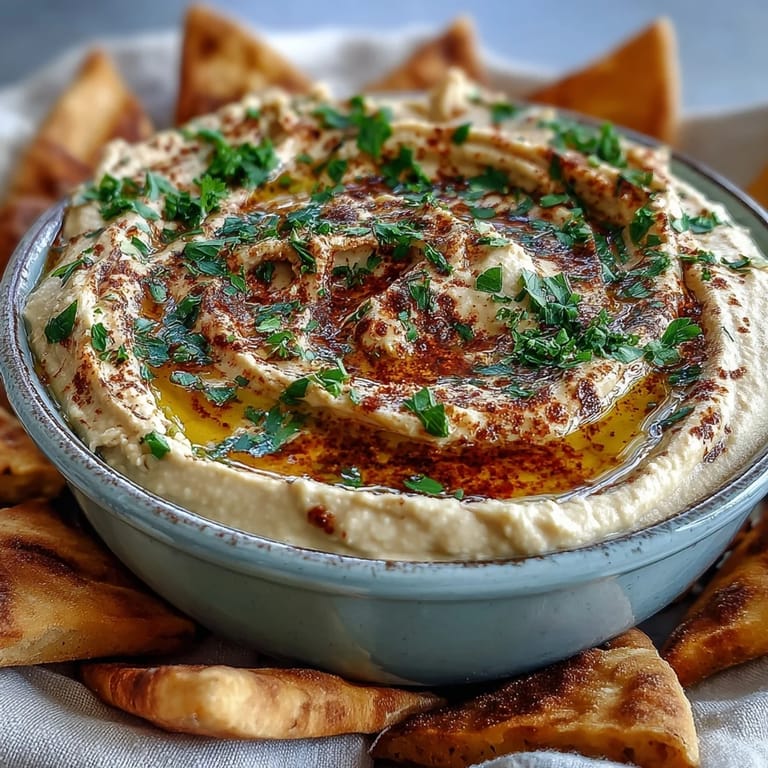
- Spoon the hummus into a serving bowl, drizzle with a thread of olive oil, and scatter paprika, sumac, or fresh parsley across the top for color and flavor.
- Serve with confidence:
- Surround it with fresh vegetables, warm pita, or crackers and watch it disappear.
 Save
Save There's a moment when someone tries this hummus and their eyes light up with that question: what is this? That's become my favorite part of making it, the little surprise that comes from expecting one thing and tasting something better.
The Magic of Black-Eyed Peas
Black-eyed peas are underrated in the hummus world, overshadowed by chickpeas at every turn. But they bring something different—a subtle earthiness and a texture that's almost buttery when blended with tahini. They're also cheaper, faster to cook if you start from dried, and they pair beautifully with warm spices like cumin. Once you make this version, you might find yourself wondering why you ever stuck to the traditional route.
Storage and Make-Ahead Wisdom
This hummus keeps for four days in the fridge, which means you can make it on Sunday and eat it all week without guilt. The flavors actually deepen as it sits, so if you make it in the morning, it'll taste even better by evening. The only trick is that it firms up slightly as it cools, so give it a stir and add a splash of water if needed before serving.
Flavor Variations and Custom Touches
The beauty of this recipe is how easily it bends to your preferences. Smoked paprika adds a subtle campfire note, while lime juice instead of lemon takes it in a brighter, more tropical direction. I've also played with adding a tiny pinch of cayenne for heat, or swapping the cumin for coriander when I'm feeling adventurous. The foundation is so solid that you can experiment freely without ever losing what makes it work.
- Add half a teaspoon of smoked paprika directly to the blend for a deeper, smokier flavor throughout.
- Substitute lime juice for lemon if you want something with more citrus punch and a slightly different character.
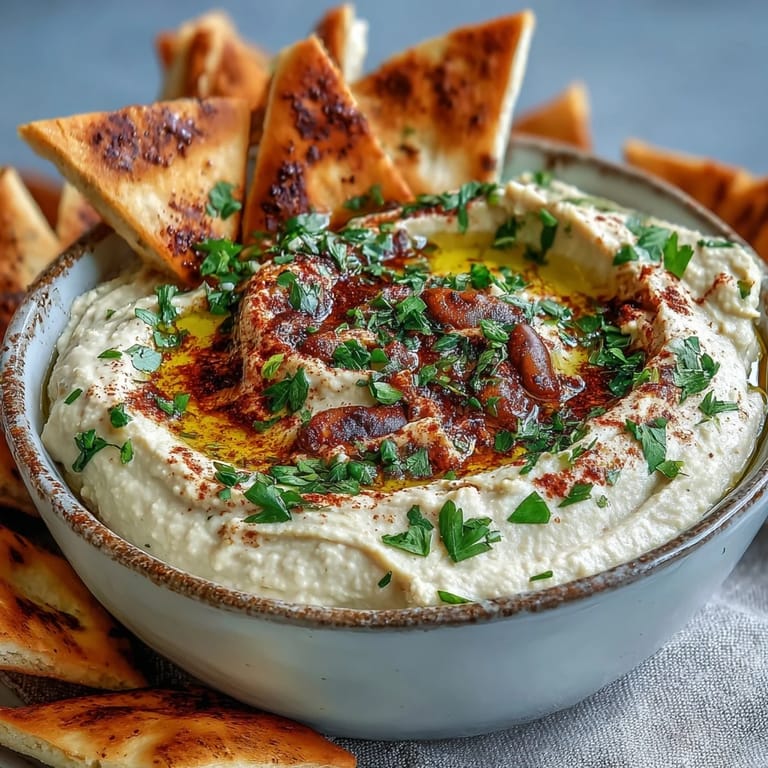
- Garnish generously with fresh parsley or cilantro because the herbs are what people taste first and remember longest.
 Save
Save This hummus has become my answer to almost every question about what to bring or make. It's honest food that tastes like you know what you're doing, even though the only real skill is knowing when to stop blending and start tasting.
Recipe FAQ
- → Can I use dried black-eyed peas instead of canned?
Absolutely. Cook one cup of dried peas until tender, then drain well before blending. Freshly cooked peas often yield an even creamier texture than canned varieties.
- → How long does this keep in the refrigerator?
Store in an airtight container for up to 4 days. The flavors actually deepen and meld together beautifully after a day or two in the fridge.
- → What makes this different from traditional chickpea hummus?
Black-eyed peas have a naturally creamier texture and slightly earthier flavor profile than chickpeas. They also absorb the tahini and lemon flavors more readily, creating a smoother consistency.
- → Can I make this without a food processor?
A blender works well too, though you may need to add more water and scrape down the sides frequently. For a chunkier rustic version, you could even mash by hand, though the texture will be less uniform.
- → Is this freezer-friendly?
Yes! Portion into freezer-safe containers and freeze for up to 3 months. Thaw overnight in the refrigerator and stir well before serving. You may need to add a splash of fresh lemon juice to brighten the flavors.