 Save
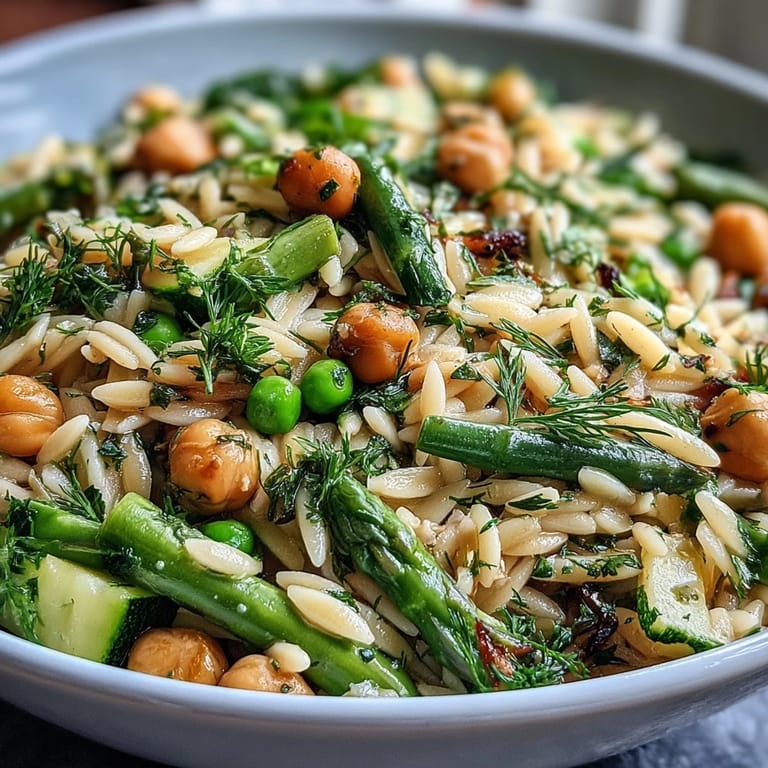
Save Last spring, I was standing in my kitchen on a Tuesday evening with half an hour before guests arrived, staring at a pantry that felt both full and empty at once. A can of chickpeas caught my eye, followed by a lemon sitting on the counter that smelled like sunshine. What emerged from that moment of creative panic became this bright, one-pot orzo that tastes like you spent all afternoon on it, when really you just threw everything into one pan and let the magic happen.
My partner took one bite and asked if I'd ordered it, which might sound like a small compliment until you realize it means the dish disappeared in fifteen minutes and I had to make it again the next night. That's when I knew this one-pot wonder had earned a permanent spot in regular rotation.
Ingredients
- Orzo pasta (1 cup/200 g): This rice-shaped pasta absorbs flavor beautifully and cooks right in the broth, saving you a pot and infusing every bite with herby, lemony goodness.
- Chickpeas (1 can, drained and rinsed): Rinse them well under cold water to reduce sodium and prevent the dish from turning cloudy; they add protein and substance without heaviness.
- Asparagus (1 cup/120 g, cut into 1-inch pieces): The tender tips cook quickly and add a slight vegetal bite that balances the brightness of lemon.
- Sugar snap peas (1 cup/120 g, halved): These stay crisp even after cooking and bring natural sweetness that rounds out the herbaceous notes.
- Zucchini (1 cup/140 g, diced): Diced small so it softens quickly and distributes evenly throughout the dish, acting almost like a thickening agent as it releases moisture.
- Baby spinach (1 cup/100 g, packed): Add this at the very end so it wilts just from residual heat, keeping its bright color and delicate flavor intact.
- Yellow onion (1 small, finely chopped): This builds the aromatic foundation and becomes sweet and mellow as it softens in the oil.
- Garlic (2 cloves, minced): Mince it small and add it early so it softens and infuses the oil without turning bitter.
- Vegetable broth (3 cups/720 ml, low-sodium): Use low-sodium so you can control the salt level; the liquid becomes the cooking medium and sauce all at once.
- Olive oil (2 tbsp): Good quality oil matters here since it's one of the few fat components; it carries flavor and helps build that savory base.
- Lemon juice and zest (from 1 large lemon): The zest goes in at the end for brightness, the juice earlier so it can meld with everything; don't skip either one.
- Fresh parsley (1/4 cup/10 g, chopped): This herbaceous green goes in last and acts as a finishing touch that makes the whole dish feel alive.
- Fresh dill (2 tbsp, chopped, or 2 tsp dried): Fresh dill brings a subtle anise note that makes people ask what your secret ingredient is.
- Dried oregano (1 tsp): This Mediterranean staple ties the whole flavor profile together with warm, slightly peppery notes.
- Salt and black pepper (1/2 tsp salt, 1/4 tsp pepper, to taste): Taste as you go because the broth adds sodium and the orzo will absorb flavors as it cooks.
- Red pepper flakes (pinch, optional): Just a whisper of heat that makes you notice the other flavors rather than announcing itself.
Tired of Takeout? 🥡
Get 10 meals you can make faster than delivery arrives. Seriously.
One email. No spam. Unsubscribe anytime.
Instructions
- Start with the aromatics:
- Heat olive oil in your large skillet over medium heat and add the chopped onion. Let it soften for three to four minutes, stirring occasionally, until it becomes translucent and starts to smell sweet and mellow. You'll know it's ready when it's lost that sharp raw bite.
- Build the flavor base:
- Add minced garlic along with the diced zucchini, asparagus, and sugar snap peas. Stir and let everything cook together for two to three minutes, just until the vegetables start to soften at the edges. The kitchen will smell herbaceous and spring-like, which is your signal you're on the right track.
- Toast the orzo:
- Push the vegetables to the side and add the dry orzo directly to the oil. Stir it constantly for about one minute until it picks up a light golden color and smells nutty. This tiny step adds depth and prevents the pasta from clumping together.
- Bring it all together:
- Add the drained chickpeas, vegetable broth, oregano, salt, pepper, and red pepper flakes if you're using them. Stir everything so nothing sticks to the bottom, then let it come to a gentle boil. The broth will bubble around the edges first while the center is still calm.
- Let it simmer gently:
- Reduce the heat to medium-low, cover the skillet, and let it cook for eight to ten minutes, stirring occasionally. The orzo will gradually absorb the broth, and you'll notice the liquid level dropping and the pasta becoming tender. When you lift the lid, the steam that escapes will smell complex and inviting.
- Add the fresh greens:
- Stir in the baby spinach, lemon juice, and lemon zest. It takes only a minute or two for the spinach to wilt into submission from the residual heat. You don't want to overcook it; you're just giving it a warm embrace.
- Finish with herbs and taste:
- Remove from heat and scatter the fresh parsley and dill over the top, then toss gently to distribute everything evenly. Taste a spoonful and adjust the salt and pepper if needed; remember that lemon juice adds brightness but not saltiness, so you might need a pinch more salt than you expect.
- Serve and celebrate:
- Ladle the orzo into bowls while it's still warm, and if you want to get fancy, add a squeeze of fresh lemon juice and extra herb garnish at the table. This is a dish that tastes even better when people can see how fresh and vibrant it is.
 Save
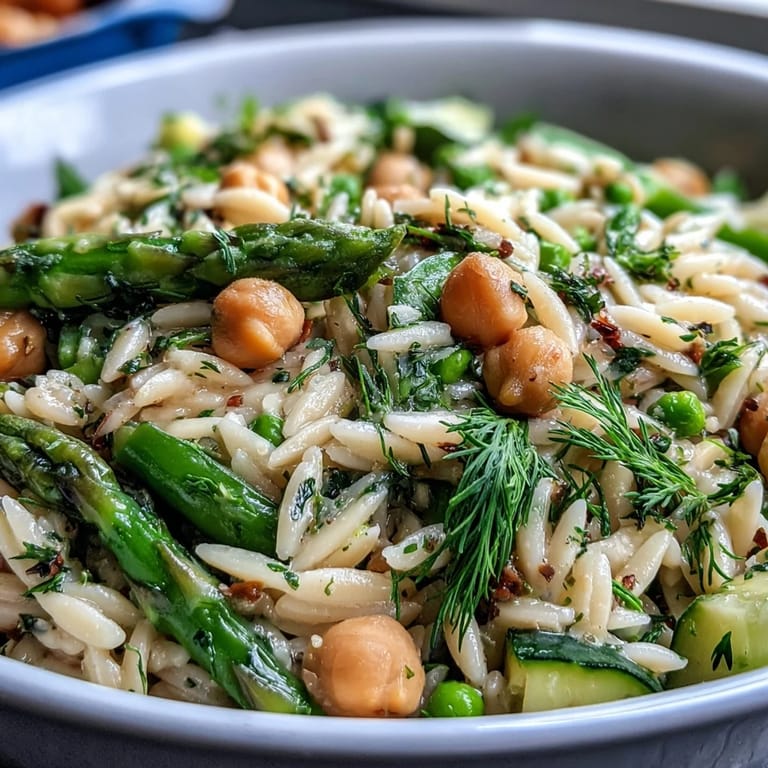
Save What I love most about this dish is that it transformed the way I think about weeknight cooking. It proved that you don't need fancy equipment, hours of time, or complicated techniques to make something that feels special and nourishing.
Why This Recipe Works as a Complete Meal
Most pasta dishes ask you to cook noodles separately and then combine them with sauce, which feels like an unnecessary step to me. This one-pot approach means the orzo cooks directly in the broth, absorbing all the flavors as it softens. By the time it's tender, it's already seasoned and saucy without any cream or butter. The vegetables cook alongside everything, releasing their own liquid and sweetness into the pot. The chickpeas provide protein and substance that makes this genuinely satisfying, not just a side dish masquerading as dinner.
Customizing This Dish for Your Kitchen
The beauty of this recipe is that it adapts generously to whatever you have on hand or whatever your mood demands. Spring vegetables are ideal, but summer brings zucchini and tomatoes, while fall works with diced butternut squash or kale. I've made versions with frozen peas when fresh weren't available, and honestly, the dish barely noticed the difference. If you want to push toward creamier, a spoonful of Greek yogurt stirred in at the end transforms the texture without making it heavy. For extra richness, try a parmesan shaving or two, though the recipe is fully satisfying without it.
Making This Your Own
The herbs are where you can really make this feel like your creation rather than following instructions. If you love basil more than dill, swap them out without guilt. If fresh herbs feel precious to you, dried ones work perfectly well; just remember that dried herbs are more concentrated, so use roughly one-third the amount. The lemon is non-negotiable in my opinion, but if citrus isn't your thing, a splash of white wine vinegar brings similar brightness. This flexibility means you can make this dish dozens of times and have it feel new each time.
- Frozen vegetables work just as well as fresh, and you can add them straight from the freezer without thawing.
- If you want extra protein, toss in some white beans, lentils, or even crumbled tofu instead of additional chickpeas.
- Leftover orzo keeps in the refrigerator for three to four days and actually tastes even better the next day as the flavors continue to meld.
 Save
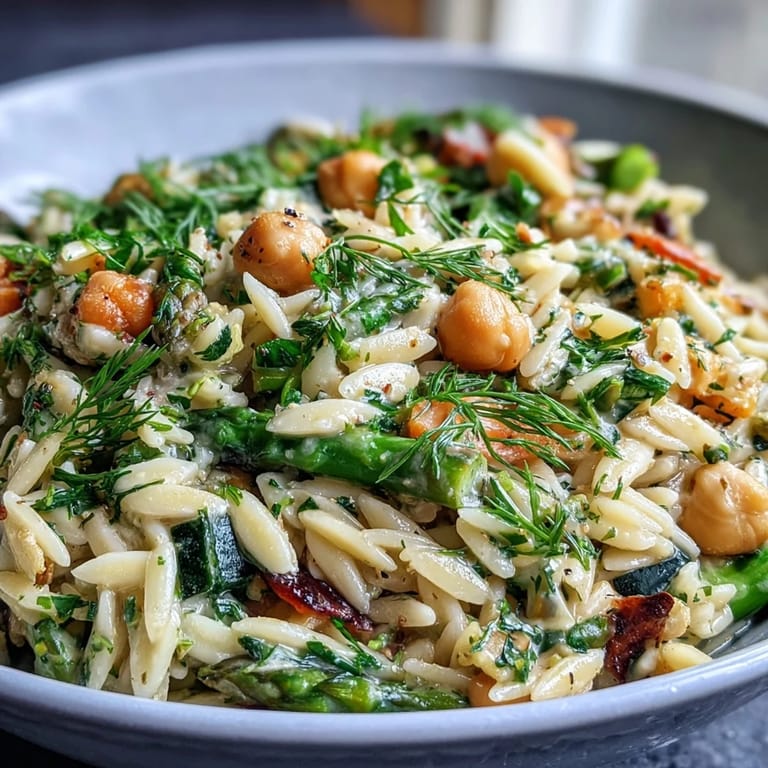
Save This one-pot lemon herb orzo has become the recipe I reach for when I want to feel like I'm taking care of myself and anyone eating with me. It's proof that simple can still be utterly satisfying.
Recipe FAQ
- → Can I substitute orzo pasta with a gluten-free option?
Yes, you can use gluten-free small pasta or gluten-free orzo alternatives to make this dish suitable for gluten-free diets.
- → What spring vegetables work best in this dish?
Asparagus, sugar snap peas, zucchini, and baby spinach provide freshness and texture, but green beans, peas, or broccoli can also be used.
- → How do I enhance the protein content?
Add extra chickpeas or shelled edamame for a boost of plant-based protein without changing the flavor profile.
- → Can I prepare this dish vegan-friendly?
Yes, this dish is vegan as is, but for extra creaminess, you may stir in a spoonful of vegan yogurt just before serving.
- → What drinks pair well with this lemon herb orzo?
A crisp Sauvignon Blanc or sparkling water infused with lemon complements the bright, zesty flavors perfectly.