 Save
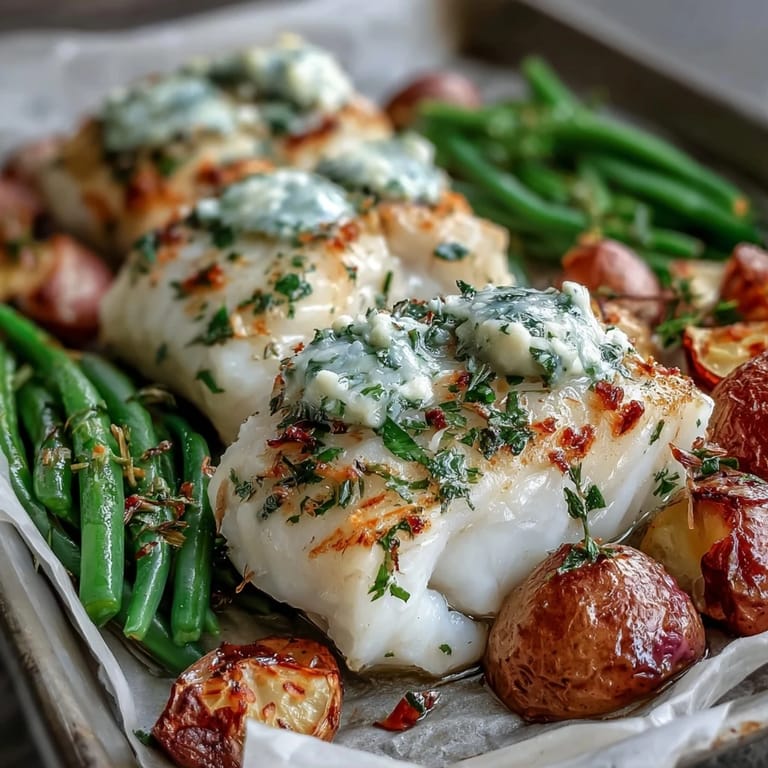
Save There's something almost meditative about watching cod transform in the oven, that delicate white flesh turning opaque while a golden crust of herb butter forms on top. I discovered this recipe on a Tuesday evening when I had nothing in my pantry except what looked like dinner scraps, but somehow those scraps turned into one of my most-requested meals. The beauty of this dish isn't in complexity or exotic ingredients, it's in how fresh herbs and butter can make something so simple taste like you've been cooking all afternoon. Now whenever I need to impress someone or just feed myself something that feels nourishing and a little special, this is what I reach for.
I made this for my neighbor during a particularly brutal week when she'd just moved across town, and I watched her shoulders relax with the first bite. There's something about a warm plate of delicate fish with creamy potatoes that says I care without saying much at all. She asked for the recipe the next day, and now it's become her go-to when she wants to feel grounded again.
Ingredients
- Cod fillets (4 pieces, about 150 g each): Look for fillets that are uniform in thickness so they cook evenly, and ask your fishmonger to ensure they're skinless unless you prefer to keep the skin for extra texture.
- Unsalted butter (60 g or 1/4 cup): Softening it at room temperature before mixing makes the herb butter silky and easier to spread without tearing the delicate fish.
- Fresh parsley, dill, and chives: These three together create a balanced herb profile that whispers rather than shouts, but you can adjust based on what you have growing or what calls to you at the market.
- Lemon zest and juice: The zest adds brightness to the fish itself while the juice sharpens the herb butter, working in tandem to keep everything from feeling heavy.
- Baby potatoes (400 g or about 1 lb): Halving them ensures they roast through while still getting golden edges, and their natural sweetness balances the savory herb butter beautifully.
- Green beans (300 g or about 10 oz): Trimming both ends takes just a minute and makes them feel more intentional on the plate, plus they cook to crisp-tender rather than sad and mushy.
- Olive oil: Use a good quality oil since it's prominent in the flavor profile, not hiding in a sauce or braise.
- Sea salt and black pepper: Season in layers rather than all at once, tasting as you go so you don't oversalt the delicate fish.
Tired of Takeout? 🥡
Get 10 meals you can make faster than delivery arrives. Seriously.
One email. No spam. Unsubscribe anytime.
Instructions
- Start your oven and prepare the stage:
- Preheat to 200°C (400°F) and line a large baking tray with parchment paper. This prevents sticking and makes cleanup feel like a gift to your future self.
- Get potatoes roasting first:
- Toss halved baby potatoes with 1 tablespoon olive oil, salt, and pepper, then spread them on half the tray and pop them in for 10 minutes. They need a head start since they take longer than everything else.
- Make the herb butter while potatoes roast:
- In a small bowl, combine softened butter with minced garlic, finely chopped parsley, dill, and chives, then add lemon juice and a pinch of salt. Stir until it looks like herbed clouds, and taste to adjust seasoning.
- Prepare the cod with care:
- Pat each fillet dry with a paper towel (this is the secret to better browning), then rub gently with olive oil, lemon zest, salt, and pepper. Dry fish is your friend here.
- Add green beans and nestle in the cod:
- After potatoes have had their 10-minute head start, scatter green beans on the empty side of the tray, drizzle with a touch of oil, and season them. Place cod fillets beside or on top, then crown each with a generous spoonful of herb butter.
- Let the oven do the magic:
- Bake for 12 to 15 minutes until the cod turns opaque and flakes gently with a fork, the potatoes are golden and crispy at the edges, and green beans have just a little resistance when you bite one. Every oven runs differently, so start checking at 12 minutes.
- Serve while everything's still steaming:
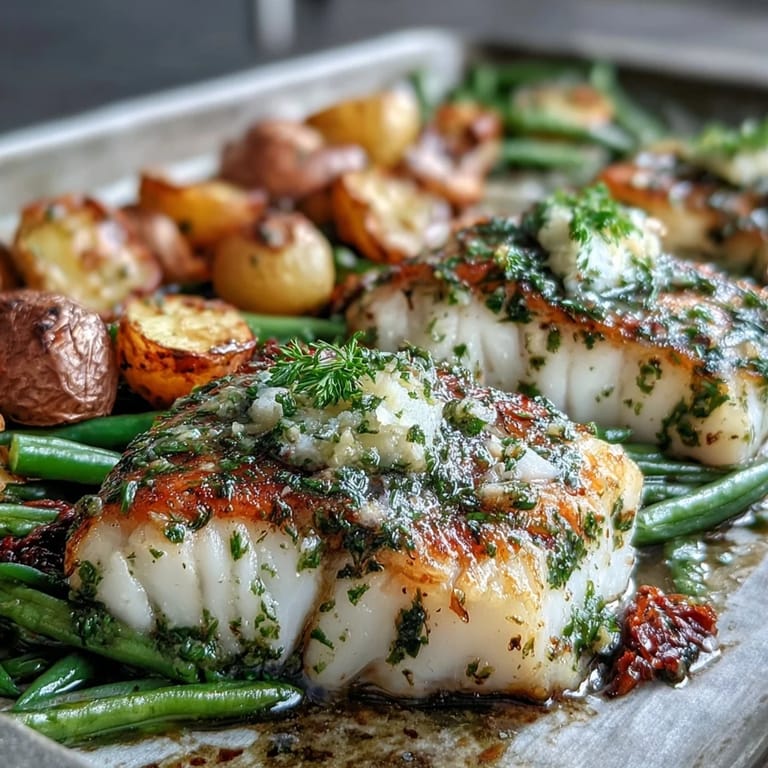
- Transfer to plates immediately and spoon any melted herb butter from the tray over everything, making sure each plate gets its share of that liquid gold. The warmth keeps flavors vibrant and textures at their best.
 Save
Save The first time someone told me this felt like restaurant food, I realized it wasn't about technique or expensive ingredients at all. It was about respecting each component enough to let it shine while the herb butter tied everything into one cohesive, warm embrace on the plate.
Choosing Your Fish
Cod is forgiving and mild, which is why I reach for it most often, but haddock works just as beautifully with a slightly sweeter undertone. Pollock is another solid choice if cod isn't available, and honestly, any firm white fish will work if you respect its thickness and adjust cooking time accordingly. The key is choosing something that won't fall apart under the weight of the herb butter, which rules out delicate fish like sole or flounder.
Building the Perfect Herb Butter
This isn't a traditional compound butter that you'd freeze and slice, it's more of a loose, fragrant mixture that melts directly into the fish. The softness of the butter matters because you want it to combine easily with the herbs without overworking them and bruising their flavor. Some days I add a tiny pinch of red pepper flakes if I'm feeling adventurous, or a touch more garlic if I'm in that mood, but the base of parsley, dill, and chives creates something that feels both elegant and homey at once.
Timing and Temperature Matters
The oven temperature at 200°C is hot enough to get the vegetables golden and caramelize their natural sugars without cooking the fish past that perfect opaque stage. I learned this after one disaster where I tried to do everything at a lower temperature and ended up with rubbery cod and sad potatoes. Now I watch the fish carefully around the 12-minute mark, because three minutes can be the difference between tender and overdone when you're working with something this delicate.
- Set a timer for 10 minutes before the fish goes in: This ensures the potatoes have enough time to soften slightly so they're not crunchy.
- Don't skip the parchment paper: It's not just about cleanup, it helps heat circulate more evenly and prevents sticking.
- Trust your eyes over the clock: Every oven has quirks, so start checking at 12 minutes and look for opaque fish rather than hitting exactly 15 minutes.
 Save
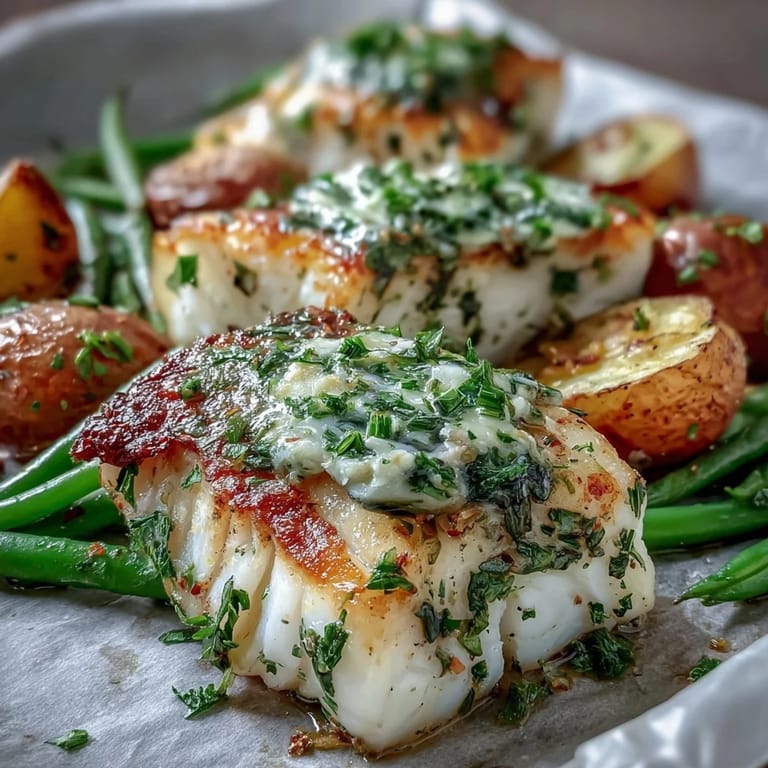
Save This dish has become my proof that simple cooking is often the best cooking, and that respecting good ingredients means knowing when to stop fussing. It's a meal that tastes like care.
Recipe FAQ
- → What fish works best for this dish?
Cod is ideal for its mild flavor and firm texture, but you can easily substitute haddock, pollock, halibut, or any other firm white fish fillets. The key is choosing fish that holds its shape during baking and absorbs the garlic herb butter flavors.
- → Can I prepare the garlic herb butter in advance?
Absolutely. Mix the herb butter up to 3 days ahead and store it in the refrigerator, or freeze it for up to a month. Bring it to room temperature before using so it spreads evenly over the cod fillets.
- → How do I know when the cod is done?
The cod is perfectly cooked when it turns opaque throughout and flakes easily with a fork. This typically takes 12-15 minutes at 200°C (400°F). Avoid overcooking, as the fish will become dry and lose its delicate texture.
- → Can I use frozen green beans?
Fresh green beans provide the best crisp-tender texture, but frozen green beans work in a pinch. Thaw them completely and pat dry before adding to the baking sheet, and reduce the roasting time by 2-3 minutes since they cook faster than fresh.
- → What wine pairs well with this?
A crisp Sauvignon Blanc or Pinot Grigio complements the delicate cod and herbal butter beautifully. For red wine lovers, a light Pinot Noir works well without overpowering the seafood. The citrus and herb notes in these wines enhance the garlic butter flavors.
- → Is this dish freezer-friendly?
While best enjoyed fresh, you can freeze the assembled but unbaked dish for up to 2 months. Thaw overnight in the refrigerator before baking. Alternatively, freeze leftovers in airtight containers for up to 3 months and reheat gently in the oven.