 Save
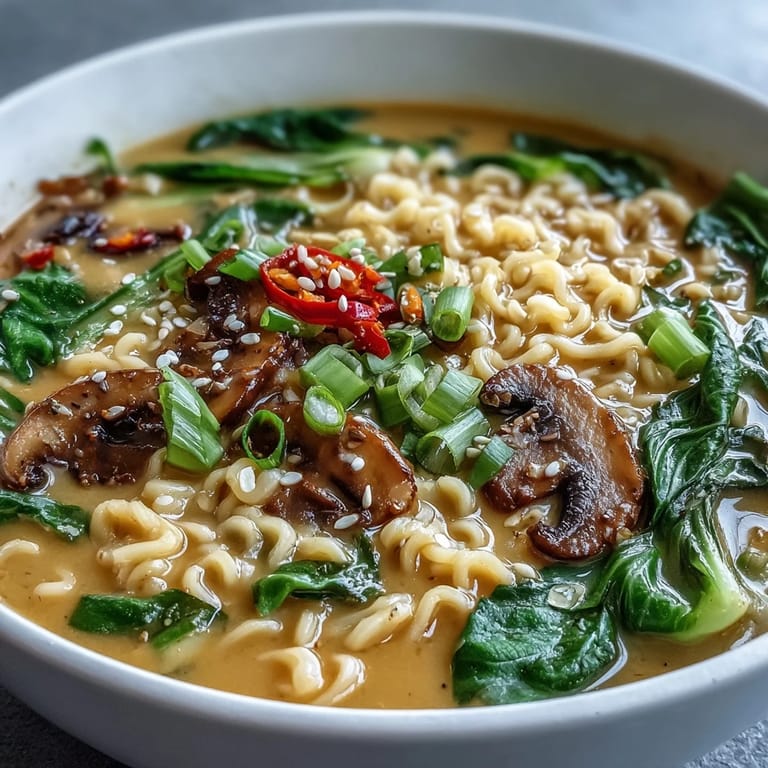
Save A friend once texted me on a gray Tuesday asking if I could make something warm that didn't feel heavy, and this coconut curry ramen came to life in my kitchen almost by accident. The combination of creamy coconut milk with bold curry spices just sang together, and when the bok choy turned that perfect shade of bright green in the simmering broth, I knew I'd stumbled onto something special. Now whenever someone needs comfort in a bowl, this is what I reach for.
I made this for my neighbor who had just gone vegan and was worried about missing out on cozy food, and watching her face light up when she tasted that first spoonful was the moment I realized this recipe was a keeper. She said it tasted like a hug, and honestly, I couldn't have said it better myself.
Ingredients
- Coconut oil: Use refined if you want the curry spices to shine without competing flavors, or unrefined if you enjoy a subtle coconut undertone in the background.
- Yellow onion: The base of everything; chopping it finely helps it soften quickly and distribute its sweetness throughout the broth.
- Fresh garlic and ginger: Minced small means they'll melt into the oil and perfume the entire pot within seconds.
- Red curry paste: This is your secret weapon; a good-quality vegan paste makes all the difference, so check the label carefully.
- Ground turmeric: Adds earthiness and a gorgeous golden color that makes the bowl look as good as it tastes.
- Vegetable broth: Quality matters here since it's the foundation; homemade is wonderful, but a good store-bought version works beautifully too.
- Full-fat coconut milk: Don't skip the fat content; it's what makes the broth silky and luxurious.
- Soy sauce or tamari: The umami anchor that ties everything together; use tamari if you need gluten-free.
- Maple syrup: Just a touch to balance the heat and add subtle sweetness without making the broth cloying.
- Sesame oil: A finishing touch that adds nuttiness and complexity; don't heat it too much or you'll lose its magic.
- Cremini or shiitake mushrooms: Sliced thick enough to maintain their texture but thin enough to absorb the broth flavor.
- Baby bok choy: Quartered lengthwise so it wilts evenly and stays tender but maintains its shape.
- Ramen noodles: Check that they're vegan before buying; many brands sneak egg into the dough.
- Carrot: Julienned thin so it cooks quickly and adds a sweet crunch that contrasts with soft vegetables.
- Scallions, sesame seeds, chili, cilantro, and lime: These garnishes are where you personalize each bowl and add brightness to cut through the richness.
Tired of Takeout? 🥡
Get 10 meals you can make faster than delivery arrives. Seriously.
One email. No spam. Unsubscribe anytime.
Instructions
- Build your flavor base:
- Heat coconut oil in a large pot over medium heat and add your finely chopped onion, letting it soften for 3 to 4 minutes until it's completely translucent and sweet-smelling. You'll know it's ready when a wooden spoon glides through without resistance.
- Wake up the aromatics:
- Stir in minced garlic and ginger, cooking for just 1 minute until the kitchen fills with that unmistakable fragrant cloud that signals you're on the right track. Don't let it sit too long or the garlic will burn and turn bitter.
- Toast your spices:
- Add the red curry paste and ground turmeric, stirring constantly for 1 minute to deepen their flavors and release their oils into the coconut oil. This step transforms raw spice heat into something round and integrated.
- Create the broth:
- Pour in vegetable broth and coconut milk, then add soy sauce, maple syrup, and sesame oil, stirring until everything is fully combined. Bring the mixture to a gentle simmer, letting small bubbles break the surface lazily.
- Simmer the mushrooms:
- Add sliced mushrooms and let them cook for 8 to 10 minutes until they're completely tender and have absorbed the golden broth. They'll darken slightly and release their umami into the liquid.
- Cook noodles separately:
- While the mushrooms simmer, cook your ramen according to package instructions in a separate pot, then drain and set aside so they don't get mushy in the broth. This step keeps your noodles at the perfect texture.
- Add greens at the last moment:
- Stir in quartered bok choy and julienned carrot, cooking for just 2 to 3 minutes until the bok choy is wilted but still bright green and crisp at the edges. This quick cooking preserves their color and crunch.
- Taste and adjust:
- Season the broth generously with salt and black pepper, tasting as you go and remembering that you can always add more but you can't take it back. Trust your palate.
- Build your bowls:
- Divide the cooked noodles among four serving bowls, then ladle the hot broth and vegetables over the top so the heat wilts any remaining vegetables. The noodles should be mostly submerged but with the broth visible around them.
- Finish with personality:
- Scatter scallions, sesame seeds, fresh cilantro, and sliced red chili across each bowl, then serve with lime wedges on the side so each person can adjust the brightness to their taste. This is where individual bowls become memorable.
 Save
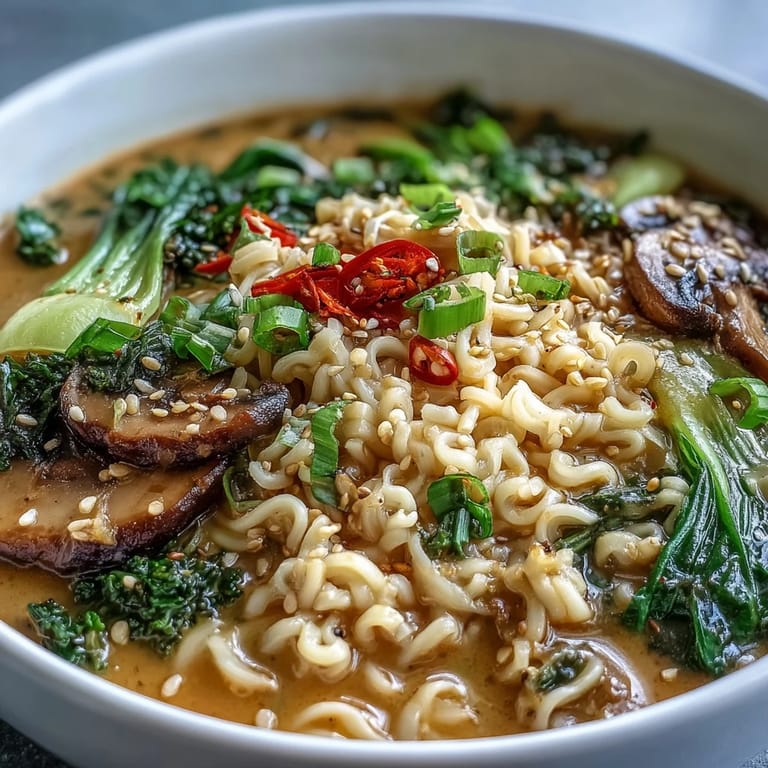
Save I remember a Sunday evening when my roommate came home exhausted from a long shift, and I had this simmering on the stove, filling the apartment with that incredible curry-coconut aroma that somehow made everything feel manageable again. She ate two bowls in silence and just said thank you, and that's when I understood that food like this does more than fill your stomach.
The Magic of Curry Paste
Red curry paste is the unsung hero here, and I spent way too long buying weak, flavorless versions before I learned to seek out brands with real depth. The best ones have a rich, complex heat that melds beautifully with the coconut milk rather than screaming at your mouth, and they transform the entire broth from good to absolutely unforgettable. Don't be afraid to try different brands until you find one that sings to you.
Customizing Your Bowl
This recipe is a foundation, not a rulebook, and some of my favorite versions came from improvising with what was in my refrigerator. I've swapped spinach for bok choy on busy nights, added cubed tofu for extra protein when I wanted something more substantial, and even thrown in a handful of snap peas because they were lingering at the back of the crisper drawer. The beauty is that the curry broth is flexible enough to embrace whatever vegetables you have on hand and make them taste brilliant.
Serving Suggestions and Final Thoughts
Serve this piping hot in large bowls so there's plenty of room for the broth, and always provide lime wedges on the side because that final squeeze of acid brightens everything and cuts through the richness beautifully. Fresh cilantro and sliced red chili aren't optional garnishes; they're the finishing brushstrokes that turn a good bowl into one you'll think about for days.
- Make the broth ahead: You can prepare it through step 5 the day before and simply reheat it gently when you're ready to serve, which makes weeknight dinners even easier.
- Have your garnishes prepped: Slice your scallions, chili, and cilantro before you start cooking so you're not scrambling at the last moment.
- Taste everything as you cook: Curry paste brands vary wildly, so season boldly and trust your instincts about what your broth needs.
 Save
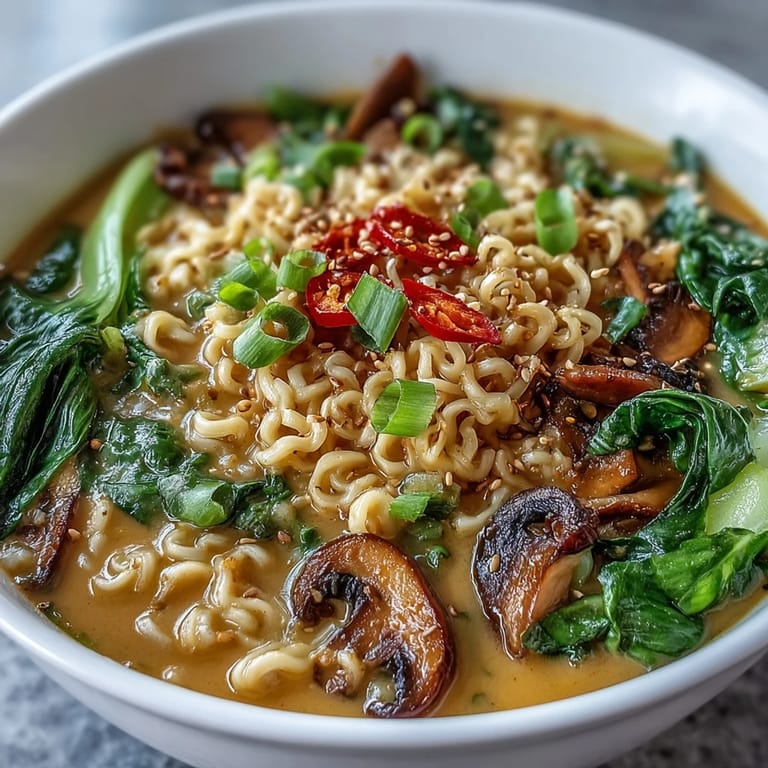
Save This vegan coconut curry ramen has become the recipe I turn to when I want to show someone I care through food, and it never fails to deliver comfort and genuine flavor. Make it once and it'll become part of your regular rotation, I promise.
Recipe FAQ
- → Can I make the broth in advance?
Yes, prepare the spiced coconut broth up to 3 days ahead and refrigerate. Reheat gently before adding fresh vegetables and noodles for the best texture.
- → What vegetables work well in this dish?
Baby bok choy adds mild crunch, but you can substitute spinach, kale, or Swiss chard. Sliced bell peppers, snap peas, or corn also complement the curry flavors beautifully.
- → How can I add more protein?
Crispy tofu cubes, edamame, or chickpeas absorb the curry broth well. Pan-fried tempeh or seitan also work as hearty plant-based protein additions.
- → Is this dish spicy?
Red curry paste provides moderate warmth. Reduce the amount for milder flavor or add fresh chili slices and sriracha at the table for extra heat to suit individual tastes.
- → What type of noodles should I use?
Traditional ramen noodles work best, but rice noodles, udon, or even spaghetti make suitable substitutes. Always check labels to ensure the noodles are vegan-friendly.
- → Can I freeze leftovers?
The broth freezes well for up to 3 months, but noodles may become mushy. Store broth and noodles separately, or enjoy leftovers within 2-3 days for the best texture.