 Save
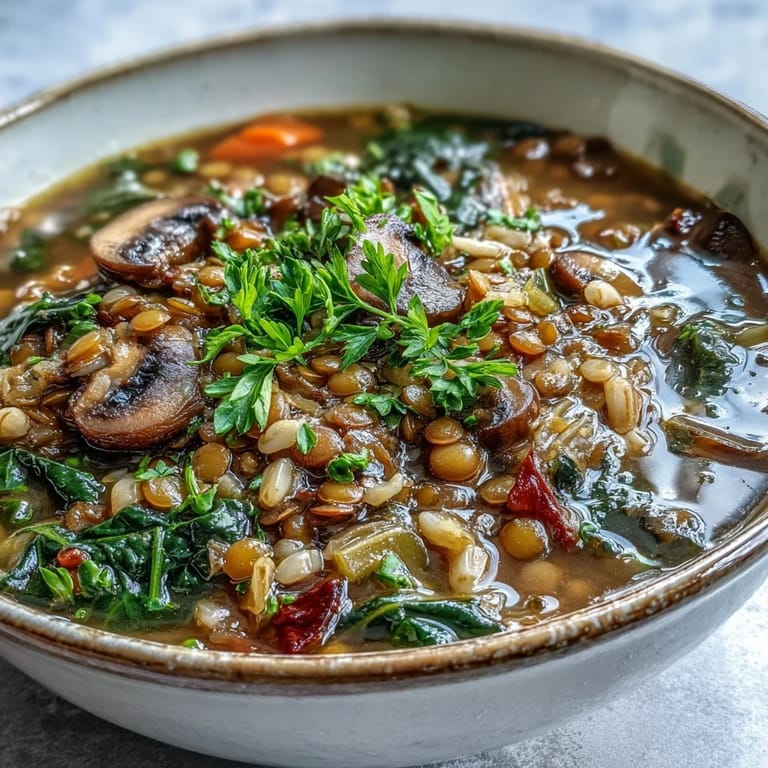
Save There's something about the sound of mushrooms hitting hot oil that makes me pause whatever I'm doing—that quick sizzle is like a tiny invitation to slow down. I developed this soup on a gray Tuesday when my fridge held the usual suspects: lentils in jars, a bunch of collard greens that needed rescuing, and mushrooms that were starting to wrinkle. What emerged was this impossibly filling bowl that felt less like cooking and more like assembling comfort.
I made this for my neighbor who'd just come home from the hospital, and she texted me three days later asking for the recipe because she'd frozen half and kept reheating it in small portions. That's when I knew the soup had staying power—not just in the freezer, but in memory.
Ingredients
- Red lentils: These break down slightly as they cook, creating a silky undertone that thickens the broth naturally without any cream or flour.
- Brown lentils: They hold their shape and add a subtle earthiness that anchors the whole pot.
- Pearl barley: Rinse it first—nobody warns you, but unrinsed barley can make the broth cloudy and starchy.
- Mushrooms: Cremini or button work equally well, and browning them first unlocks flavors that make people ask what's the secret ingredient.
- Collard greens: They don't wilt into nothingness like spinach; they maintain a gentle chew that feels substantial.
- Vegetable broth: Use one you'd actually drink on its own—low-quality broth becomes more obvious the longer something simmers.
- Thyme and smoked paprika: These two create an almost savory depth that tastes like the soup has been thinking about itself for hours.
Tired of Takeout? 🥡
Get 10 meals you can make faster than delivery arrives. Seriously.
One email. No spam. Unsubscribe anytime.
Instructions
- Start with the aromatics:
- Warm the oil over medium heat and let the onion soften for a full three minutes, not rushing it. You're building the foundation here, so patience pays off.
- Layer in the texture:
- Add garlic, carrots, and celery together, cooking until the carrots start to soften at the edges. This creates the vegetable base that gives the soup its backbone.
- Brown the mushrooms:
- This step is worth the five minutes—browning them develops a savory depth that raw mushrooms never achieve. Stir occasionally so they make contact with the pot.
- Combine the grains and legumes:
- Add both lentils and barley along with thyme, paprika, and bay leaves, stirring so everything coats lightly in oil. This quick toast wakes up the flavors before the liquid goes in.
- Bring it to a boil, then ease back:
- Pour in the broth and water, bring the mixture to a full rolling boil so you can see it's actually going, then immediately lower the heat to a gentle simmer. Cover and let it cook undisturbed for thirty minutes.
- Add the greens and finish:
- Stir in the chopped collard greens, salt, and pepper, then simmer uncovered for another ten to fifteen minutes until the barley and lentils are tender. Taste as you go—seasoning is personal.
- Final check and serve:
- Fish out the bay leaves, adjust salt and pepper one more time, then ladle into bowls. A small handful of fresh parsley on top isn't essential but it reminds people this is a real meal, not just sustenance.
 Save
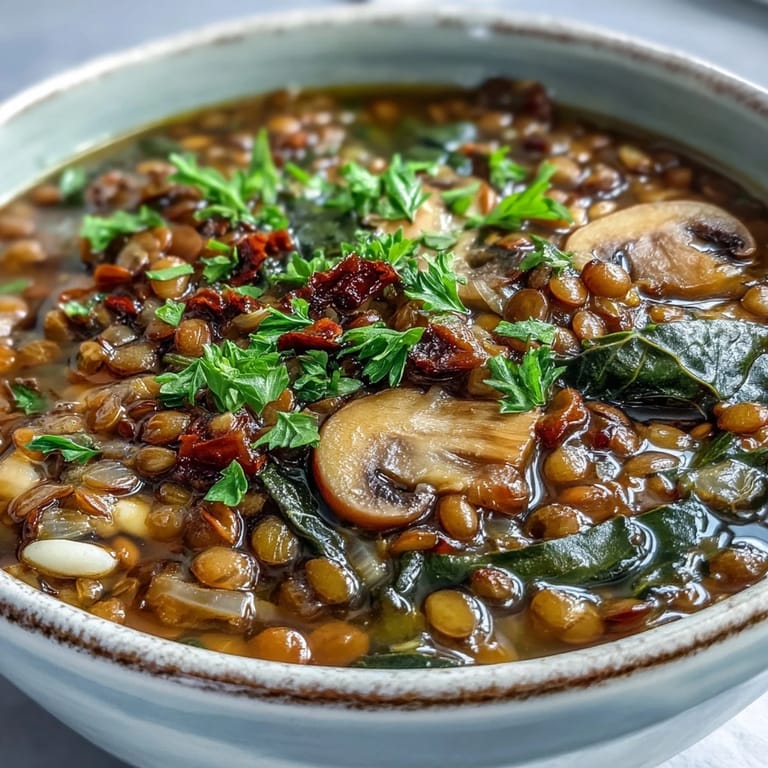
Save My daughter actually chose a bowl of this over the leftover pizza in the fridge, and that's when I realized I'd made something that transcended the usual weeknight soup category. It became something she requested, which is its own kind of victory.
The Magic of Two Lentils
Using both red and brown lentils does something interesting to the final texture that using just one never quite achieves. The red lentils soften and partially dissolve, creating a subtle creaminess, while the brown lentils stay intact and give little bursts of earthiness. Together they make the broth feel more complex than the ingredient list suggests.
Timing and Temperature
The thirty-minute simmer for the grains and legumes is crucial because rushing it leaves you with crunchy barley and chalky lentils. After the collard greens go in, another ten to fifteen minutes is usually the sweet spot, though older greens might soften faster than tender ones. The soup tells you when it's ready—everything should be tender enough to eat easily but not so soft it becomes mushy.
Storing, Reheating, and Variations
This soup freezes beautifully and tastes even better on day three when all the flavors have gotten to know each other. Reheat gently on the stovetop with a splash of water if it's thickened too much in storage. A squeeze of fresh lemon juice right before serving brightens everything, and serving it alongside crusty whole-grain bread turns it into an actual meal someone will remember.
- Swap barley for short-grain brown rice or quinoa if you need gluten-free, using the same amount.
- Kale or Swiss chard work just as well as collard greens if that's what your market has.
- Double the batch and freeze half in containers for nights when cooking feels impossible.
 Save
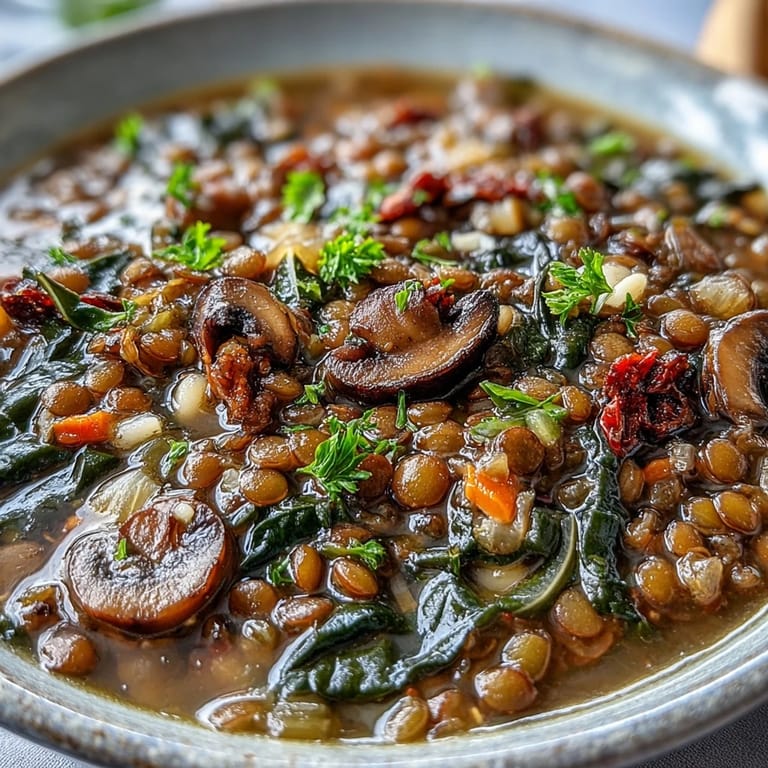
Save This soup has become my go-to when I want to feed people something that feels nourishing without announcing how healthy it is. It just tastes like home.
Recipe FAQ
- → Can I make this gluten-free?
Yes, simply substitute pearl barley with short-grain brown rice or quinoa. Both maintain the hearty texture while making it suitable for gluten-free diets. Always verify your vegetable broth is certified gluten-free.
- → What greens work best in this soup?
Collard greens hold their texture beautifully during simmering, but Swiss chard, kale, or spinach make excellent substitutes. Add tender greens like spinach in the last 5 minutes to prevent overcooking.
- → How do I store and reheat leftovers?
Store in airtight containers for up to 5 days in the refrigerator. The barley and lentils will continue absorbing liquid, so add extra broth when reheating. Freeze individual portions for up to 3 months.
- → Can I use canned lentils instead of dry?
Yes, rinse and drain two 15-ounce cans of lentils. Add them during the last 15 minutes of cooking with the greens. Reduce the initial broth by about 1 cup since canned lentils don't absorb as much liquid.
- → What gives this soup its smoky flavor?
The smoked paprika provides a subtle smoky depth that complements the earthy mushrooms. For more intensity, add an additional half teaspoon or finish with a dash of liquid smoke.
- → Can I cook this in a slow cooker?
Sauté the vegetables first, then transfer everything to your slow cooker. Cook on low for 6-7 hours or high for 3-4 hours, adding the collard greens during the final 30 minutes.