 Save
Save There's a moment in summer when your kitchen feels too warm to turn on the stove, and you're standing in front of the fridge wondering what could possibly satisfy both hunger and the heat. That's when cold sesame noodles saved me—a colleague brought a container to a picnic, and I watched people go back for thirds without hesitation. The sauce was the revelation: creamy but light, nutty and tangy all at once, clinging to every strand of noodle. I've made them dozens of times since, always with that same small shock of how something this simple tastes this good.
I made this for my partner on a sweltering July evening when we'd just moved into an apartment without air conditioning. The noodles went into the fridge while we sat outside waiting for the sun to set, and when we finally came back in, they were perfectly chilled and somehow had become even more flavorful. We ate straight from the mixing bowl standing at the counter, and it became one of those meals that marked a small turning point—proof that even in discomfort, you can create something that feels celebratory.
Ingredients
- Wheat noodles or spaghetti (350 g): Use what you have, though slightly thicker noodles hold the sauce better than angel hair.
- Sesame oil (1 tbsp for noodles, 1 tbsp toasted for sauce): The regular oil prevents sticking; the toasted oil adds depth to the sauce and shouldn't be skipped.
- Tahini or sesame paste (4 tbsp): This is the soul of the dish—it creates creaminess without cream, and Chinese sesame paste is slightly less assertive if you're unsure.
- Smooth peanut butter (2 tbsp): Acts as a subtle sweetener and thickener; skip only if you have a nut allergy.
- Soy sauce (3 tbsp low-sodium): Low-sodium lets you taste everything else and prevents oversalting as it sits.
- Rice vinegar (2 tbsp): Brings brightness without harshness; white vinegar works in a pinch but tastes sharper.
- Honey (1 tbsp): Rounds the edges of saltiness and adds body; maple syrup or agave work just as well.
- Garlic and ginger (2 cloves and 1 tbsp, grated): Grating rather than mincing blends them more seamlessly into the creamy sauce.
- Chili oil (1–2 tsp optional): A small amount adds intrigue without overwhelming; taste as you go.
- Cold water (3–5 tbsp): The secret to silky sauce is adding water gradually while whisking rather than all at once.
- Cucumber (1 medium, julienned): The crispness matters—cut just before serving or they'll weep into the noodles.
- Carrots (2 medium, julienned): Raw carrots add sweetness and texture that balances the savory sauce.
- Spring onions (2, thinly sliced): These provide a sharp green note that cuts through the richness perfectly.
- Toasted sesame seeds (2 tbsp): Toast them yourself if possible—store-bought sometimes tastes stale.
- Fresh cilantro: Optional but transforms the dish with brightness; leave it out if it tastes like soap to you.
Tired of Takeout? 🥡
Get 10 meals you can make faster than delivery arrives. Seriously.
One email. No spam. Unsubscribe anytime.
Instructions
- Boil and cool the noodles:
- Cook according to package directions, then drain and run cold water over them until they're completely cool to the touch—this stops the cooking and prevents mushiness. While they're still slightly damp, toss with the regular sesame oil so they don't clump.
- Build the sauce:
- In a mixing bowl, whisk tahini and peanut butter first until combined, then add soy sauce, vinegar, honey, toasted sesame oil, garlic, and ginger. Start with 3 tbsp of cold water and add more slowly while whisking—you're looking for something that coats a spoon but flows like honey. Taste and adjust heat with chili oil if you want.
- Coat the noodles:
- Pour the sauce over the cooled noodles and toss gently but thoroughly, making sure every strand gets some sauce. If it seems too thick, add a splash more water and toss again.
- Assemble the bowls:
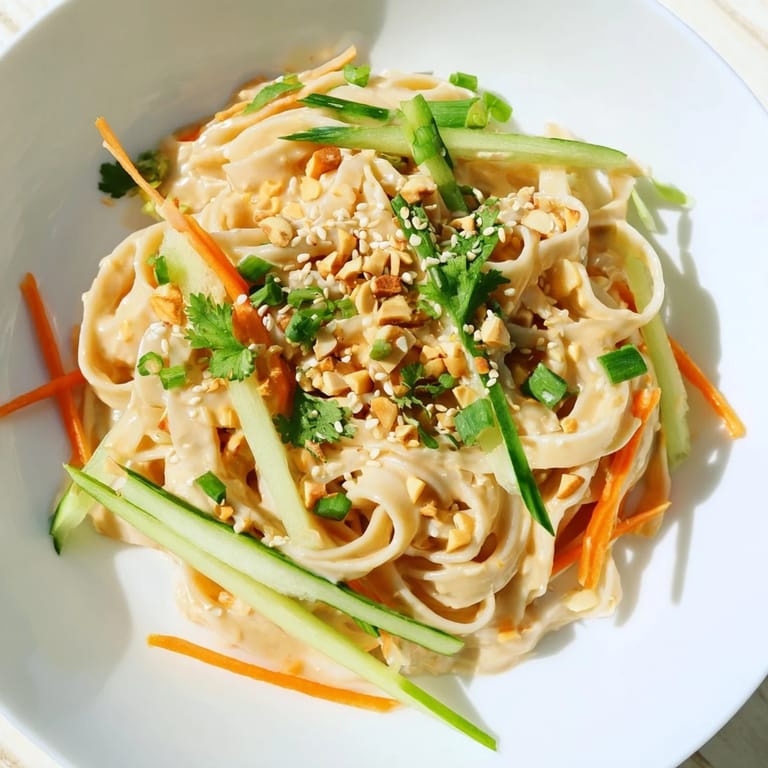
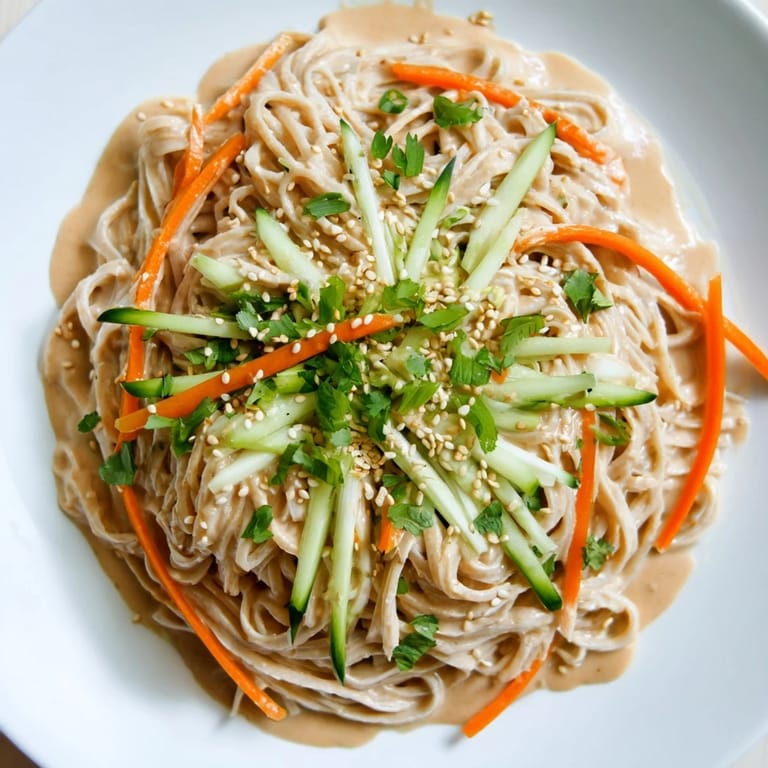
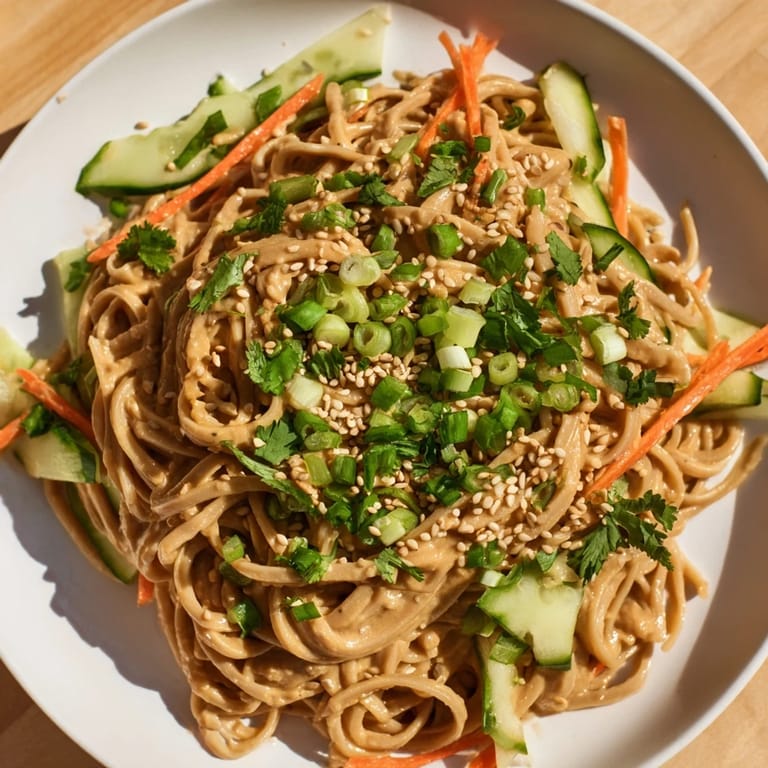
- Divide noodles among bowls and arrange the vegetables in small clusters on top—this keeps them crisp and makes the dish look inviting. Sprinkle with sesame seeds and cilantro, add peanuts if using, and serve with a lime wedge.
- Chill or serve:
- You can eat immediately if you're impatient, but 10–15 minutes in the fridge lets the flavors settle and meld together more beautifully.
 Save
Save The first time someone asked me for the recipe, I realized it wasn't just food—it was the memory of eating something cold and delicious when everything felt hot and overwhelming. Now it's become a dish I make when friends are coming over and the forecast shows a heat wave, almost like a small act of kindness served in a bowl.
Why This Works in Summer
Cold noodle dishes exist for a reason: they're satisfying without making you feel heavier, and there's something about eating them that feels restorative rather than indulgent. The cold temperature itself is part of the comfort, and the combination of creamy sauce with crisp vegetables creates a complete meal that doesn't leave you wanting something else afterward. It's the kind of dish that sits well in your stomach on hot days when warm food feels impossible.
Customizing Your Bowl
Once you understand the basic formula—creamy nutty sauce plus cool noodles plus crisp vegetables—you can bend it in different directions. Add shredded cooked chicken or crispy tofu for protein, throw in fresh corn kernels or thinly sliced bell peppers for different textures, or swirl in a touch of white miso for extra umami depth. The sauce is flexible enough to handle additions without losing its character, so treat this as a base rather than a strict blueprint.
The Sauce is Everything
I've learned that the sauce is where all your effort should go because bad noodles with good sauce still taste good, but good noodles with mediocre sauce disappear. The combination of tahini and peanut butter creates a richness that feels luxurious without being heavy, while the rice vinegar and ginger keep it bright and alive. Don't rush the whisking, taste as you adjust, and remember that a slightly thinner sauce that coats each noodle is better than a thick one that pools at the bottom.
- Make the sauce first and let it rest while the noodles cook—the flavors deepen slightly as they sit together.
- If the sauce breaks or looks grainy, add a tiny splash of cold water and whisk vigorously until it comes back together.
- Leftover sauce keeps in the fridge for nearly a week and works on grain bowls, roasted vegetables, or even as a dipping sauce for spring rolls.
 Save
Save This recipe has become my default answer when someone asks what to bring to a potluck or what to make when you want something that tastes restaurant-quality but never stresses you out. It's proof that some of the most satisfying meals come from understanding a few good ingredients and knowing how to balance them.
Recipe FAQ
- → Can I use gluten-free noodles?
Yes, substitute wheat noodles with gluten-free noodles and replace soy sauce with tamari to keep it gluten-free without compromising flavor.
- → How do I adjust the sauce thickness?
Gradually add cold water to the sesame sauce while whisking until you reach a creamy but pourable consistency suitable for coating noodles.
- → Can I make this dish vegan?
Use maple syrup instead of honey and ensure all other ingredients are plant-based to create a vegan-friendly version.
- → What toppings add the best texture?
Julienned cucumber and carrots provide crunch, while toasted sesame seeds and crushed peanuts add a satisfying nutty finish with bursts of flavor.
- → How long should the noodles chill?
Chilling for 10–15 minutes enhances flavor melding and refreshes the noodles, but serving immediately is also delicious.