 Save
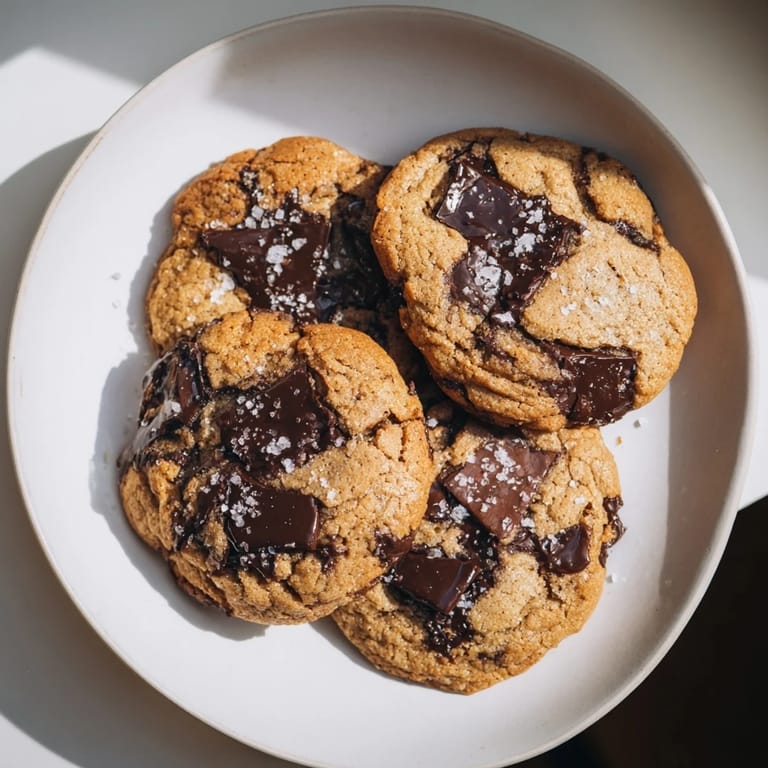
Save The first time I made these, I wasn't chasing a trend—I was standing in my kitchen at midnight, staring at a jar of white miso I'd bought weeks earlier and forgotten about, when it hit me that brown butter and umami might actually belong together in a cookie. My fingers were sticky with brown sugar and butter sizzle, the nutty aroma filling the entire apartment, and something just felt right about the savory-sweet promise of it all. Before I knew it, I'd made two batches and eaten half of one while they were still warm, that slight miso funk melting into something almost addictive.
I brought these to my book club and watched someone take a bite, pause mid-chew with this confused, delighted look, then immediately ask for the recipe before they'd even swallowed. That moment—that tiny hesitation before the realization hits—is why I keep making them.
Ingredients
- Unsalted butter (1 cup / 227 g): Browning it yourself is non-negotiable; it's where all the depth comes from, so don't rush it or skip the bubbling phase.
- Light and granulated sugar (1 cup light brown + 1/2 cup granulated / 300 g total): The combo gives you both moisture and structure; the light brown adds molasses notes that play beautifully with the miso.
- Eggs (2 large, room temperature) and vanilla extract (2 teaspoons): Room temperature eggs emulsify better, giving you a smoother dough and more tender cookies in the end.
- White miso paste (3 tablespoons): This is the magic; it needs to be white miso specifically, not red or dark, or you'll get an overwhelming saltiness instead of that subtle savory-sweet punch.
- All-purpose flour (2 1/4 cups / 280 g), baking soda (1 teaspoon), baking powder (1/2 teaspoon), and fine sea salt (1/2 teaspoon): The leavening combo keeps them chewy and puffy; the salt enhances everything.
- Dark or semisweet chocolate chips (1 1/4 cups / 210 g): Use chunks if you can; they don't melt entirely and create these pockets of richness that justify every calorie.
- Flaky sea salt, for sprinkling (optional but really not optional): It's the final word, hitting the warm cookies and making every flavor pop cleaner.
Tired of Takeout? 🥡
Get 10 meals you can make faster than delivery arrives. Seriously.
One email. No spam. Unsubscribe anytime.
Instructions
- Brown the butter until it smells like hazelnuts:
- In a medium saucepan over medium heat, melt the butter and keep swirling it—don't walk away, don't check your phone—until it foams and the bottom gets those golden-brown milk solids. This takes about 5–7 minutes and smells insanely good. Pour it straight into a bowl and let it cool for 10 minutes so you don't cook the eggs.
- Mix the sugar and miso into the brown butter:
- Whisk the brown sugar, granulated sugar, and miso paste into the cooled butter until it's smooth and there are no miso streaks. This step matters because the miso needs to break down and distribute evenly.
- Add the eggs and vanilla, whisk until glossy:
- Add both eggs and vanilla to the butter mixture and whisk until the whole thing looks thickened and slightly shiny. You'll feel the mixture come together under the whisk.
- Fold in the dry ingredients gently:
- In a separate bowl, combine the flour, baking soda, baking powder, and salt. Fold the dry mix into the wet mix with a spatula—use a cutting-folding motion, not stirring—until no streaks of flour show. Overmixing develops gluten and makes them tough.
- Fold in the chocolate:
- Add the chocolate chips or chunks and fold them in just until they're distributed throughout the dough.
- Chill the dough, ideally overnight:
- Cover the bowl and refrigerate for at least 30 minutes, though overnight is when the flavors really deepen and the miso becomes more integrated and less sharp. If you're impatient, 30 minutes works, but overnight changes everything.
- Bake until the edges are golden and the centers barely hold:
- Heat your oven to 350°F (175°C) and line two baking sheets with parchment. Scoop the dough into 2-tablespoon balls, space them 2 inches apart, and bake for 11–13 minutes—they'll look almost underbaked in the center, and that's correct. The edges should be set and golden, but the centers should still have a slight jiggle.
- Finish with salt while warm:
- Pull them out and immediately sprinkle flaky sea salt on top if you're using it, then let them sit on the baking sheet for 5 minutes before moving them to a wire rack to cool completely. The salt sticks better to warm cookies, and it's the punctuation mark this whole recipe deserves.
 Save
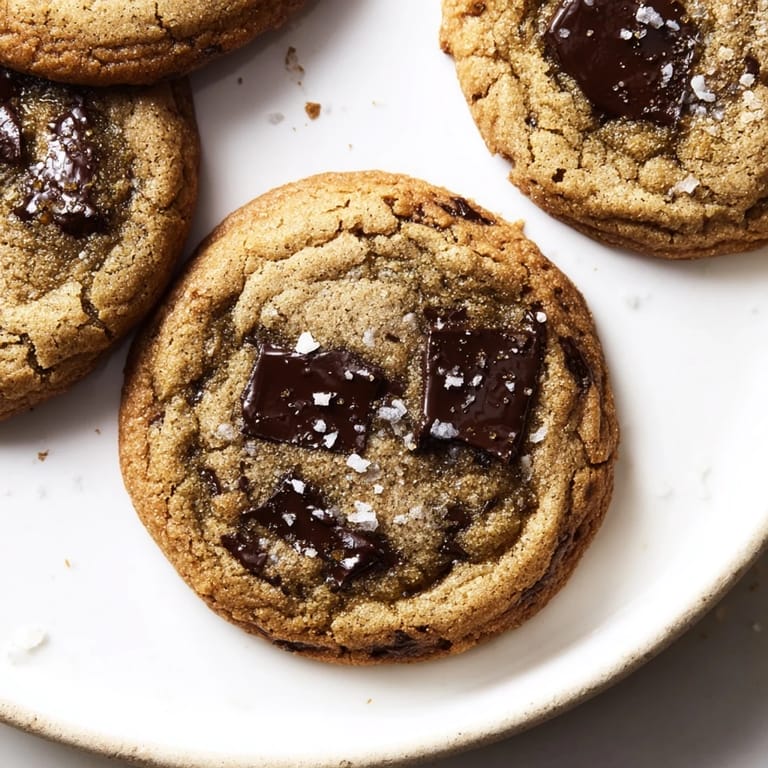
Save The moment I understood these cookies was when my partner took a bite and said they tasted like "what I'd imagine a high-end dessert restaurant would serve without telling you why it works." That's when it clicked that this wasn't just a trend—it was something that genuinely solved a problem most cookies have: they're predictable.
The Science of Brown Butter Magic
Brown butter isn't just darker—it's chemically transformed. As you heat it, the water evaporates and the milk proteins toast, creating hundreds of new flavor compounds that taste nutty, toasty, and almost caramel-like without any added sugar. When you pair that with miso, which has its own deep savory-umami complexity from fermented soybeans, you're layering two different types of depth that make the chocolate and sweetness feel more sophisticated somehow. I learned this the hard way by making a batch without browning the butter properly, and they tasted like every other cookie out there—flat, forgettable, gone in two bites without leaving an impression.
Why Room Temperature Eggs Actually Matter Here
Cold eggs won't emulsify properly into the brown butter mixture, and you'll end up with a separated, grainy dough that bakes into dense, slightly greasy cookies. I made that mistake once and spent twenty minutes wondering why the batter looked wrong, when the answer was sitting in my fridge the whole time. Room temperature eggs mix in smoothly, creating this silky, cohesive dough that bakes into something tender with a slightly crispy edge. It's a small step that changes the texture completely.
Chocolate and Chill Time Elevate Everything
Using chocolate chunks instead of chips makes a difference because they don't melt into the dough completely—they stay as pockets of rich chocolate that hit differently than a smooth distribution would. The overnight chill time is where the real transformation happens though; the flavors marry together overnight and the miso becomes less sharp and more integrated, creating a cookies that tastes considered and complex instead of like a novelty. Everything is better cold overnight, and you'll notice the difference if you compare a batch baked fresh versus one chilled all night.
- Don't bake them straight from the fridge without letting them warm up slightly, or they'll spread unevenly and take longer to bake.
- Store them in an airtight container for up to five days, though they rarely last that long.
- If you're gifting them, people will assume you bought them from somewhere fancy, so prepare for compliments you didn't earn—or just enjoy the mystery.
 Save
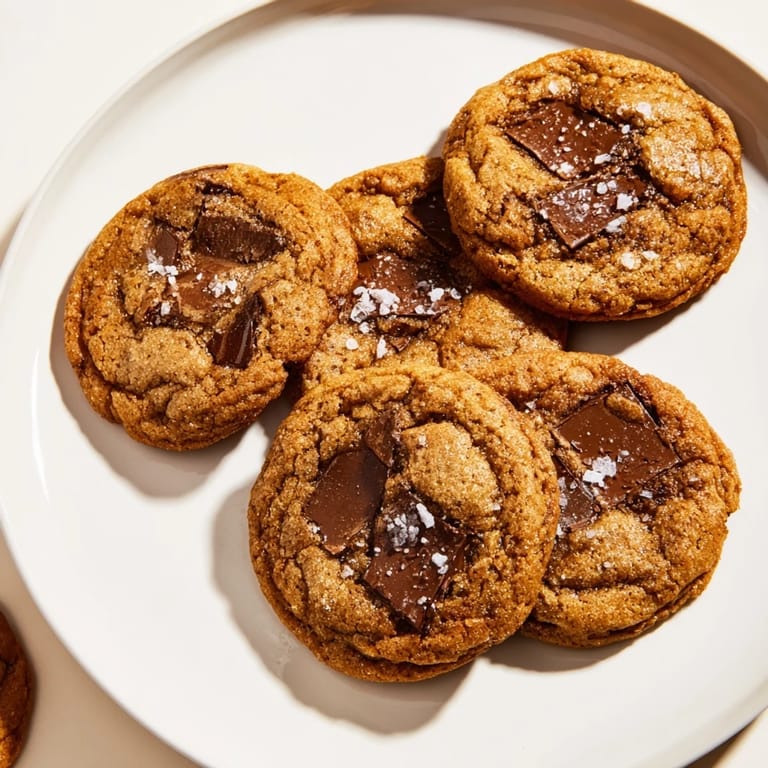
Save These cookies changed how I think about flavor balance in baking. They proved that savory and sweet aren't opposites—they're partners waiting for an introduction.
Recipe FAQ
- → What does browning the butter do for the flavor?
Browned butter develops a deep, nutty aroma and richer taste that enhances the overall flavor profile.
- → How does white miso affect the cookie taste?
White miso contributes a subtle sweet-salty depth, balancing sweetness and adding complexity.
- → Why chill the dough before baking?
Chilling solidifies the butter, preventing spreading and enhancing texture and flavor melding.
- → Can I substitute other chocolate types?
Yes, milk chocolate or toasted nuts can be swapped in for chocolate chips to vary sweetness and texture.
- → What is the best way to store these cookies?
Store in an airtight container at room temperature to maintain moisture and freshness for several days.