 Save
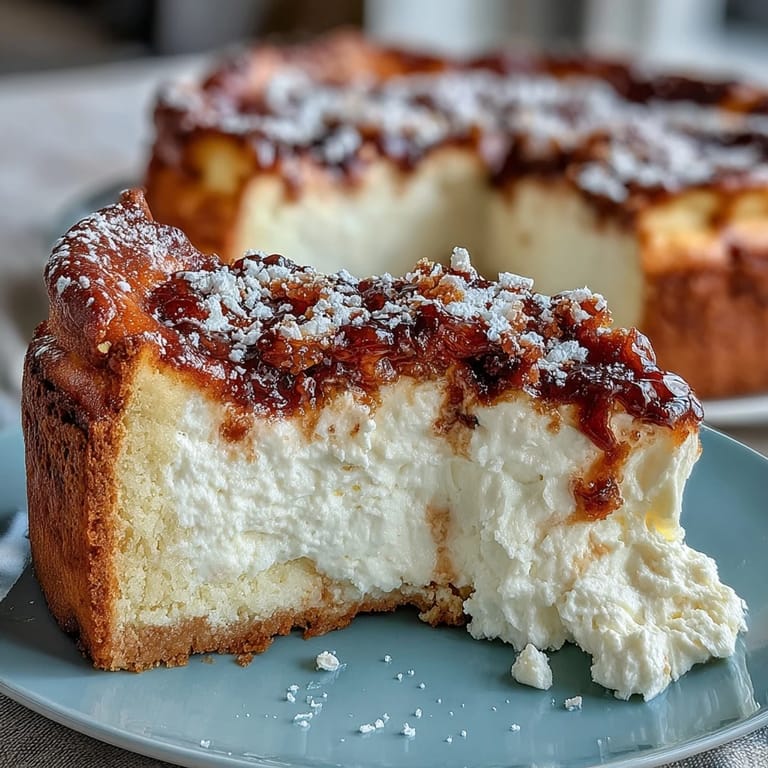
Save My aunt Maria would arrive at our Easter table with this pie wrapped in a kitchen towel, the lemon scent cutting through the kitchen before she'd even set it down. Years later, standing in my own kitchen on a cool spring morning, I finally asked for her recipe and discovered it wasn't some closely guarded secret but rather a straightforward joy made with ricotta, butter, and the brightness of fresh lemon. The first time I baked it myself, I was nervous about whether the filling would set properly, but watching it emerge from the oven with that gentle golden crown felt like I'd unlocked something cherished. Now this pie has become my answer to the question of what to bring when spring celebrations call for something both elegant and deeply comforting.
I made this for my neighbor when she came home from the hospital, and she cried when she tasted it—not because it was fancy, but because it tasted like someone had taken time. That moment taught me that the best recipes aren't about impressing anyone; they're about showing up with something made by your own hands that says I was thinking of you.
Ingredients
- All-purpose flour (2 cups): Forms the foundation of your pastry, and using it cold from the bag makes a difference in how tender the crust becomes.
- Granulated sugar (1/2 cup for pastry, 3/4 cup for filling): The pastry sugar adds subtle sweetness to the crust, while the filling sugar balances the tartness of the lemon without making it dessert-heavy.
- Unsalted butter, cold and cubed (1/2 cup): This is non-negotiable—cold butter creates those little pockets of steam that make the pastry flaky and delicate.
- Eggs (4 large total: 2 for pastry, 3 for filling): Eggs bind the pastry and enrich the filling, creating that custardy texture that wobbles slightly when done.
- Whole milk ricotta cheese, well drained (2 cups): Draining your ricotta is the secret that keeps the filling from being watery; I strain mine in cheesecloth for at least an hour.
- Fresh lemon zest (from 2 lemons): This is where the magic lives—the zest gives you bright, essential lemon flavor without the juice making things too wet.
- Lemon juice (1 tbsp): Just enough to sharpen the filling without overshadowing the subtle sweetness and creamy texture.
- Heavy cream (1/4 cup): Adds richness and helps the filling set to that perfect consistency where it's creamy but holds its shape.
- Powdered sugar (for dusting): A final whisper of sweetness and elegance when the pie reaches the table, applied just before serving so it stays pristine.
Tired of Takeout? 🥡
Get 10 meals you can make faster than delivery arrives. Seriously.
One email. No spam. Unsubscribe anytime.
Instructions
- Build your pastry base:
- Mix flour, sugar, and salt together, then work in your cold butter with your fingertips until it looks like coarse breadcrumbs—this is where your flaky layers start forming. Add the egg, egg yolk, and vanilla, then introduce cold water just a tablespoon at a time until the dough barely holds together; overworking it is the enemy of tender pastry.
- Rest and chill the dough:
- Shape into a disk, wrap it, and let it sit in the fridge for at least thirty minutes while the gluten relaxes and the butter solidifies. This step might seem like a delay, but it's actually the foundation of a crust that won't shrink up on you.
- Prepare your pan and preheat:
- Get your oven to 350°F and grease your nine-inch pie pan while you're waiting for the dough to chill. A well-oiled or buttered pan prevents sticking and helps the crust brown evenly.
- Roll, press, and dock the crust:
- On a lightly floured surface, roll your dough out thin enough to line the pan without tearing, then gently press it into the bottom and up the sides. Prick the base all over with a fork so steam can escape, then chill for another ten minutes to help it hold its shape during baking.
- Whisk the ricotta filling until smooth:
- Combine your drained ricotta with sugar, eggs, vanilla, lemon zest, lemon juice, flour, salt, and heavy cream in a large bowl, whisking until you have a silky, homogeneous filling with no lumps. The lemon zest will speckle throughout like little bursts of flavor.
- Pour and bake:
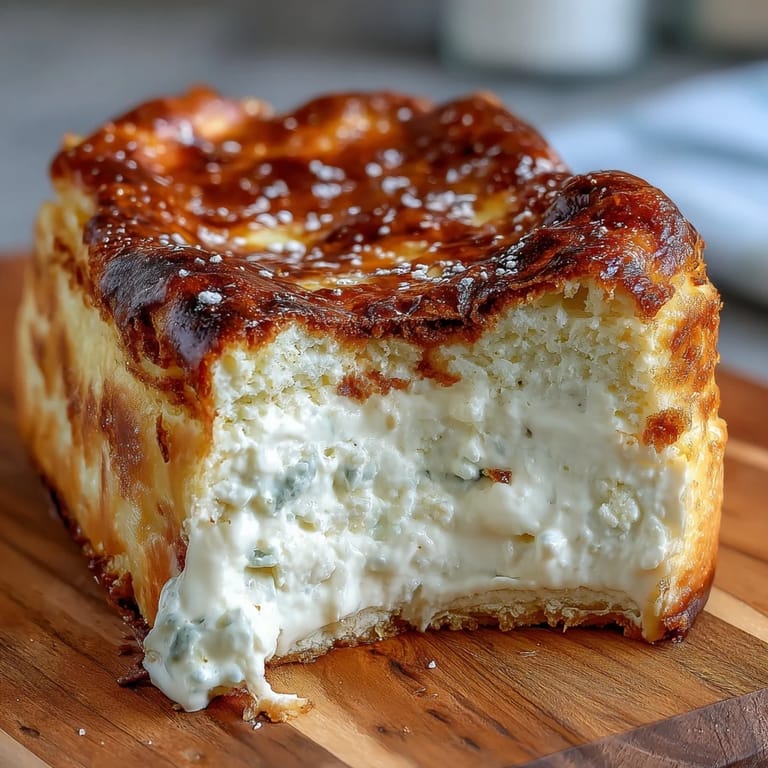
- Gently transfer the filling into your pastry shell and smooth the top, then slide it into the preheated oven for fifty-five to sixty minutes until the edges are set but the very center has just the slightest wobble when you move the pan. This wobble tells you the filling is perfectly creamy inside, not dry or overcooked.
- Cool and chill thoroughly:
- Let the pie cool completely on a wire rack at room temperature, then refrigerate for at least two hours—this helps it set properly and makes slicing cleaner. The flavors also deepen as it chills, becoming more cohesive and delicious.
- Finish with elegance:
- Just before serving, dust the top generously with powdered sugar, which adds a final touch of refinement and catches the light beautifully.
 Save
Save There's something about serving a slice of this pie that makes people pause and really taste it, noticing the balance of sweet and tart, the way the creamy filling contrasts with the buttery crust. That moment when someone closes their eyes while eating something you made—that's when you know you've done something right.
Why Fresh Lemon Zest Changes Everything
The first time I made this pie with bottled lemon juice and no zest, it tasted flat and one-dimensional, like I'd somehow missed the entire point. Fresh lemon zest contains the essential oils that give you that bright, almost floral quality that makes people say this tastes like spring—use a microplane or the smallest holes on a box grater and zest directly over the filling so you don't lose any of those precious oils to the air.
The Secret to a Tender Pastry Crust
I learned this lesson the hard way when I tried to make the pastry in a food processor and ended up with something tough and dense. The key is keeping everything cold and handling the dough minimally—cold butter creates steam pockets that puff up into flaky layers, and overworking wakes up the gluten, which makes everything chewy instead of tender.
Timing and Temperature Matter
This pie teaches you to read visual cues rather than rely on time alone, since every oven has its own personality and altitude affects baking in ways we can't always predict. Look for lightly golden edges and that telltale gentle wobble in the center, rather than watching the clock and hoping for the best.
- Start checking around the fifty-five minute mark by gently shaking the pan—if the edges are set but the center moves like soft custard, you're done.
- Cooling completely before chilling allows the filling to set gradually without thermal shock cracking the surface.
- Chilling for at least two hours transforms the texture and makes slicing cleaner, plus the flavors marry beautifully during this rest.
 Save
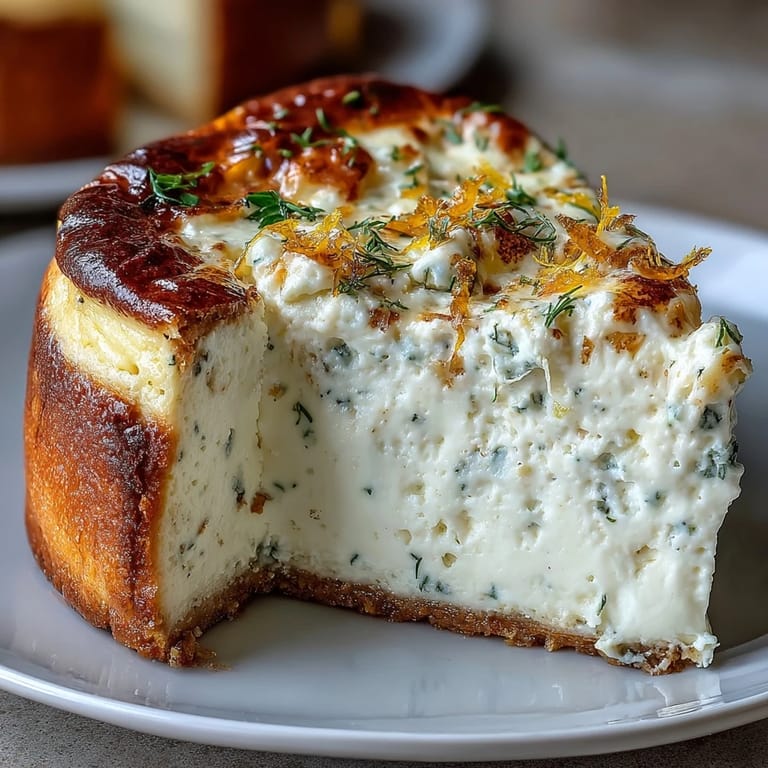
Save This Easter sweet ricotta pie has become my go-to answer when I want to bring something that tastes like care and tradition. Every time I make it, I think of Maria and that kitchen towel, and I'm grateful for recipes that connect us to the people we love.
Recipe FAQ
- → What type of cheese is used in the filling?
Whole milk ricotta cheese is used for its creamy texture and mild flavor that balances the lemon zest.
- → How does lemon zest affect the flavor?
Lemon zest adds a bright, citrusy aroma and a fresh flavor that lifts the sweetness of the ricotta filling.
- → Can I prepare the pastry crust ahead of time?
Yes, the pastry dough can be made, chilled, and rolled out in advance to simplify assembling the pie later.
- → What is the indicator that the filling is properly baked?
The filling should be set with a slight wobble in the center and a lightly golden top when baked correctly.
- → Are there any recommended garnishes to complement the flavors?
Fresh berries or a light dusting of powdered sugar enhance the pie’s appearance and add subtle complementary notes.